
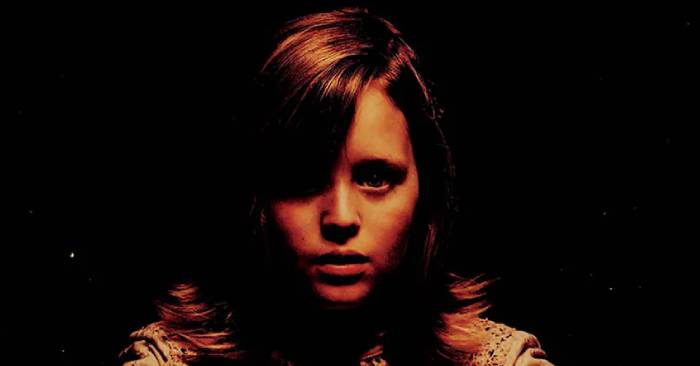
Prequels in the horror genre often struggle to surpass their predecessors, but Ouija: Origin of Evil is a rare exception. Directed by Mike Flanagan, the film takes the lackluster 2014 Ouija and reworks its premise into something far more chilling and sophisticated. Known for his expert handling of psychological horror in The Haunting of Hill House and Doctor Sleep, Flanagan brings his signature style to this film, proving that a strong story and compelling characters can elevate even the most familiar horror tropes.
Set in 1967, the story follows Alice Zander (Elizabeth Reaser), a widowed mother who, along with her daughters Lina (Annalise Basso) and Doris (Lulu Wilson), runs a séance business designed to give grieving clients closure. When they introduce a Ouija board into their act, their harmless trickery takes a terrifying turn as young Doris becomes a vessel for a dark and malevolent force lurking in their home.


What sets Ouija: Origin of Evil apart from standard horror films is its commitment to character development. The Zander family is not just there to serve as victims; they feel real, with personal struggles and emotional depth. Alice is a mother desperately trying to provide for her children, Lina is a protective yet skeptical older sister, and Doris starts off as an innocent child before becoming the most haunting presence in the film. Doris’ descent into possession is handled with unnerving subtlety—one moment she is an ordinary little girl, and the next, she is calmly explaining what it feels like to be strangled from the other side.
Flanagan masterfully builds tension not through excessive jump scares, but through atmosphere, unsettling visuals, and slow, creeping dread. Instead of loud horror beats, he uses eerie silences, lingering stares, and distorted whispers to create a truly unnerving experience. Doris’ vacant expressions and unnaturally composed demeanor make her transformation far more disturbing than any over-the-top demonic portrayal. Lulu Wilson’s performance is the film’s highlight, proving that child actors in horror can be just as terrifying as their adult counterparts.
Adding to the film’s haunting authenticity is its vintage aesthetic. The cinematography pays homage to classic 1960s horror, with slow zoom-ins, a washed-out color palette, and even small details like cigarette burns in the film reel to create the illusion of an old-school horror movie. This stylistic choice enhances the immersion, making the supernatural horror feel more organic and timeless.
If there is one weakness, it is the final act. The slow-burning tension that defines most of the film eventually gives way to a more conventional horror climax filled with frantic action and supernatural chaos. While still effective, it does not quite match the quiet psychological terror that dominates the first two acts.
Despite this minor flaw, Ouija: Origin of Evil stands as one of the best supernatural horror films in recent years. It is a testament to the idea that horror does not need to rely on cheap tricks—it thrives on atmosphere, well-crafted storytelling, and characters that feel real. Mike Flanagan’s direction transforms what could have been a forgettable prequel into a film that lingers in the mind long after the credits roll. If you are looking for a horror movie that delivers genuine chills without resorting to clichés, this is a must-watch.