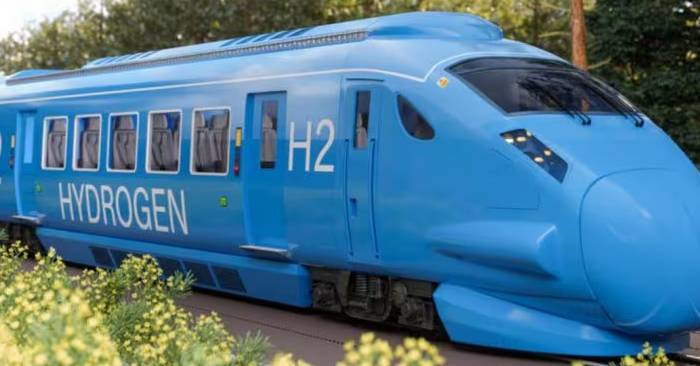
India is about to introduce its first hydrogen-powered train, marking a significant milestone for Indian Railways in its push toward greener and more sustainable transportation. The train will be inaugurated soon on the Jind-Sonipat route in Haryana, covering a distance of 90 kilometers without emitting any harmful pollutants. This hydrogen-powered train is not only environmentally friendly but also boasts impressive noise reduction, producing 60% less noise compared to conventional trains.
The train is designed for a maximum speed of 140 km/h and has a hydrogen fuel tank capable of powering it for up to 1,000 kilometers before needing a refuel. Each train will consume approximately 40,000 liters of water every hour to produce the necessary fuel. The cost of manufacturing a single hydrogen train is estimated at Rs 80 crore. Indian Railways plans to roll out a total of 35 hydrogen trains across various routes by 2025.


In addition to the Jind-Sonipat route, other routes under consideration for the hydrogen train trial include the Darjeeling Himalayan Railway, Nilgiri Mountain Railway, and Kalka-Shimla Railway. With the introduction of hydrogen-powered trains, India is following in the footsteps of countries like Germany, France, and Japan, which have already adopted hydrogen trains in their fleets. Despite the high operational costs, which may lead to pricier tickets, the move is expected to enhance India’s efforts toward a more sustainable railway system.