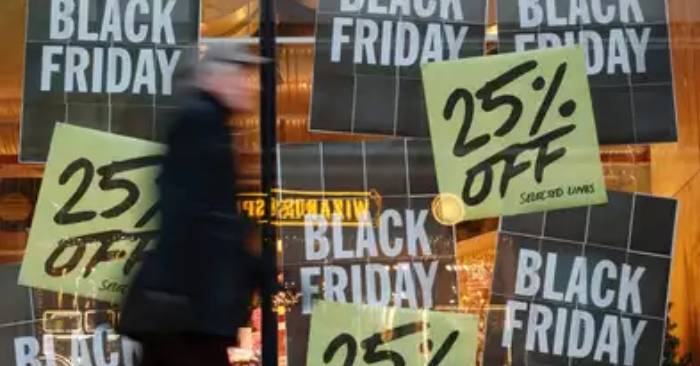
As November draws to a close, the highly anticipated Black Friday ushers in the US holiday shopping season—a time synonymous with incredible deals and heavy discounts. However, in 2024, shoppers are approaching this event with heightened sensitivity to prices, seeking to stretch their budgets in the face of lingering inflation.
Although inflation has eased since the dramatic price increases during the COVID-19 pandemic, many consumers remain financially cautious. This has driven a rise in bargain-hunting behaviors, with shoppers capitalizing on early discounts and timing their purchases for last-minute steals. Vivek Pandya, a lead analyst at Adobe Digital Insights, noted that 2024 holiday shoppers are more focused than ever on securing value, responding swiftly to price cuts and promotional events.


Retailers have adapted to this shift, launching major discounts earlier than usual to attract price-sensitive buyers. Target, for instance, now holds its “Circle Week” savings events multiple times a year, influencing shoppers to consolidate their purchases around these promotions. Brian Cornell, Target’s CEO, highlighted how consumers are delaying purchases, focusing on deals, and stocking up on essentials.
While the National Retail Federation projects holiday spending growth of 2.5 to 3.5 percent this year, reaching up to $989 billion, the impact of inflation remains evident. Prices as of August 2024 were 22 percent higher than in January 2020, according to Pew Research, with lower-income households feeling the strain the most. Yet, some retailers, like Burlington Stores, are seeing improved sales in low-income areas, signaling a gradual recovery in real incomes for these groups.
Thanksgiving’s later date in 2024 has shortened the holiday shopping season by five days, prompting retailers to adjust their strategies. Best Buy, for example, has revived its popular “Doorbuster” sales every Friday, both in-store and online. Meanwhile, Adobe Digital Insights reports a promising start to the season, with online sales for the first 24 days growing by 9.6 percent year-over-year, surpassing initial expectations.
In a year marked by inflation-driven challenges, the 2024 holiday shopping season highlights the resilience of both retailers and consumers as they navigate evolving economic conditions.