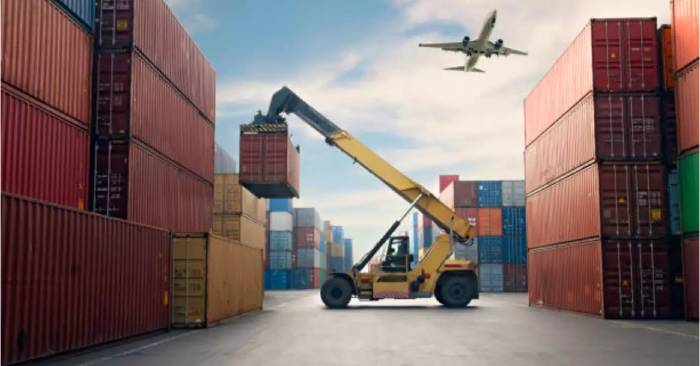
Inditex, the Spanish multinational behind Zara, has significantly increased its reliance on air freight to transport apparel from Indian factories to its logistics hub in Spain. The shift comes as global shipping routes face disruptions, particularly in the Red Sea, forcing apparel retailers to explore faster but less environmentally friendly alternatives. According to trade data, Inditex’s use of air cargo from India rose to 70% during the first eight months of this year, up from 44% the previous year. This marks a substantial increase, with a total of 3,865 shipments by air during this period.
The move, while ensuring timely delivery and preventing stockpile issues, has drawn criticism regarding the company’s climate goals. Air freight is known for its high carbon footprint compared to sea shipping. Reuters reports that Inditex’s transportation emissions surged by 37% in the year leading up to January 2023. A company spokesperson acknowledged the challenges but emphasized ongoing efforts to mitigate emissions through measures such as alternative fuels, optimized routes, and improved cargo efficiency.


Despite the environmental concerns, some investors support Inditex’s decision, highlighting the importance of avoiding costly markdowns due to delayed shipments. Nick Clay, portfolio manager at Redwheel Income Strategy, noted that short-term measures to maintain profitability are acceptable as long as the company continues to reduce its overall greenhouse gas emissions.
This trend underscores the broader challenge facing the fashion industry: balancing the need for operational efficiency with the commitment to sustainability amidst global logistical disruptions.