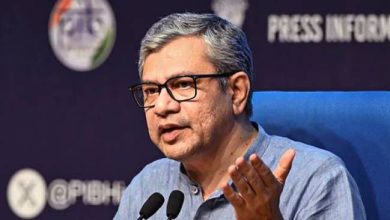
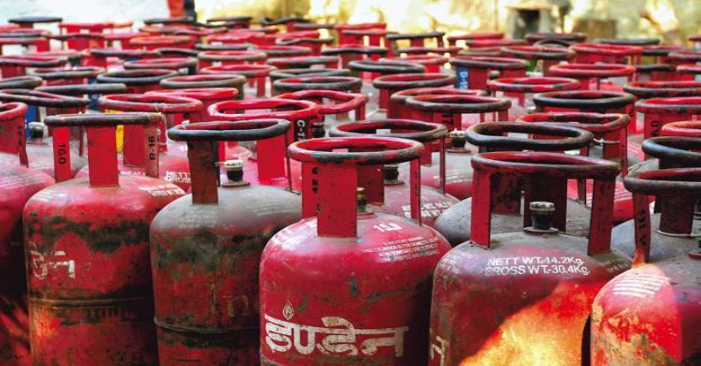
In a move that has sparked concern among Indian households, the Union government has increased the price of LPG cylinders by ₹50, affecting both regular consumers and beneficiaries under the Pradhan Mantri Ujjwala Yojana. Union Petroleum Minister Hardeep Singh Puri announced the hike on Monday, stating that the price of a 14.2 kg domestic gas cylinder will now cost ₹853 for general users and ₹553 for Ujjwala scheme users. Despite a recent decline in international crude oil prices, the hike comes at a time when citizens were anticipating a fuel price cut. Instead, the government raised excise duties on petrol and diesel to prevent revenue losses, with the additional burden absorbed by public sector oil companies.
This price adjustment comes despite a noticeable drop in the cost of fuel production, with Brent crude prices falling to $64 per barrel—down by $10. While global trends suggested that India could ease retail fuel prices, the central government has opted to hold them steady, increasing excise duties instead. According to the Petroleum Ministry, these adjustments are designed to shield the economy from fiscal strain, although the retail LPG price hike has undoubtedly strained household budgets. Puri also noted that LPG prices would be subject to biweekly revisions going forward.


Meanwhile, economic uncertainty continues to rattle global and domestic markets. The Indian stock market experienced a steep crash in response to escalating fears of a trade war driven by former US President Donald Trump’s tariff threats. The Sensex plunged by 2,226 points and the Nifty fell by 743 points, wiping out nearly ₹16 lakh crore in investor wealth in a single day. Experts warn that the intensifying tariff standoff between major global economies could lead to inflation spikes, a potential recession in the US and Europe, and increased volatility in the Indian rupee. These developments further complicate India’s economic outlook and household spending patterns, especially with rising energy costs.