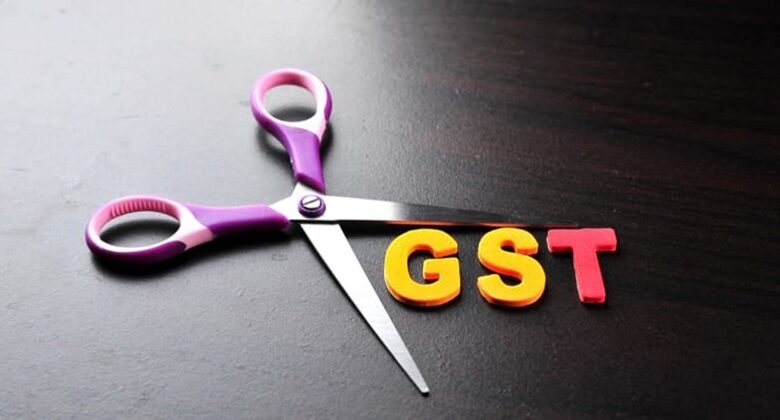
India plans to reduce consumption tax by at least 10 percentage points on nearly 175 products, ranging from shampoos and hybrid cars to consumer electronics, as it reveals new details of Prime Minister Narendra Modi’s tax overhaul. The biggest reform of the goods and services tax system in nearly a decade comes amid strained trade ties with the US, with Modi making repeated calls for increased use of Indian products.
Modi first flagged his reform plan last month on Independence Day when he said he would make daily products cheaper for people in the world’s fifth-largest economy. His proposal includes reducing the goods and services tax (GST) on consumer items, such as talcum powder, toothpaste, and shampoo, from 18% to 5%, which is likely to boost sales at companies like Hindustan Unilever and Godrej Industries.


Air conditioners and television sets could see GST drop from 28% to 18% ahead of the Diwali shopping season starting in October, when brands like Samsung, LG Electronics, and Sony dominate sales. India’s GST council, which is headed by federal Finance Minister Nirmala Sitharaman and has representation from the country’s states, is expected to finalise the list of items for tax cuts in a meeting on September 3-4.
The finance ministry did not immediately reply to an email seeking comments on this story. The proposed tax cuts are also aimed at cushioning the expected fall in exports to the United States by boosting domestic consumption, helping raise farm incomes and encouraging self-reliance among Indian manufacturers.
India is planning to cut consumption tax on key export items like fertilisers, farm machinery and tractors and their parts to 5% from 12% or 18% at present. The reduction also extends to the textile sector – one of India’s largest exporters – that has been hard hit by U.S. President Donald Trump’s tariff blitz.
Japanese carmakers Toyota Motor and Suzuki Motor, in Modi’s government, have proposed reducing GST on small petrol hybrid cars to 18% from 28%. The carmakers have for years lobbied for cuts to tax on a technology they say is cleaner than petrol cars. Lowering the tax on hybrids, which use a combustion engine and electric motor to power the vehicle, will bring it closer to the 5% GST on electric cars.
The government has also proposed cutting the tax on motorcycles and scooters with an engine capacity of less than 350cc, which mainly includes commuter vehicles and covers 95% of close to 20 million two-wheelers sold in India last fiscal year by companies including Bajaj Auto, Hero MotoCorp and TVS Motor. The proposed tax cuts are expected to lead to a resurgence in the sale of small cars in the world’s third-largest automobile market – a boost for Maruti Suzuki, India’s largest carmaker, as well as rivals Hyundai Motor and Tata Motors.