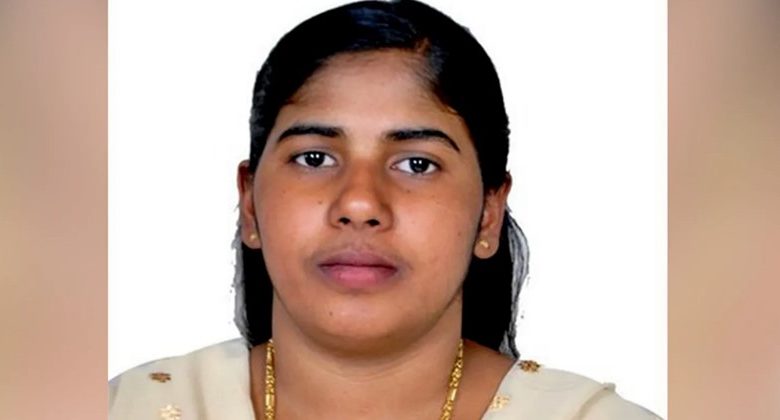
The execution of Nimisha Priya, the Kerala nurse facing the death penalty in Yemen, has been temporarily suspended, according to media reports. The execution had been scheduled for Wednesday (July 16), but the family of the deceased, Talal Abdu Mahdi, has now agreed to a delay it at least for one more day. This does not mean she would be released or sent back to India.
However, the victim’s family has yet to grant a pardon or agree to accept blood money, said Samuel Jerome Baskaran, a long-time Yemen-based member of the Save Nimisha Priya International Action Council. The decision follows critical talks between Sufi scholars and the victim’s family, initiated through the intervention of Indian Grand Mufti Kanthapuram AP Abubakr Musliyar.


For years, Talal’s family had refused to accept blood money (diyah) or consider clemency. However, after sustained dialogue led by prominent Sufi scholars, they have shown a willingness to reconsider. According to the Save Nimisha Priya Action Council, the family is now likely to inform the Sana court of their intent to pardon Nimisha in exchange for blood money.
Discussions are progressing, but the process remains complex. India has no diplomatic ties with Yemen, nor an embassy in the country, due to the ongoing civil conflict. A travel ban for Indian nationals has been in place since 2016, making legal and diplomatic coordination particularly difficult.
The case:
Nimisha Priya moved to Yemen in 2008 to support her family and initially worked as a nurse before opening her clinic. In 2017, following a dispute with Mehdi – her business partner – she allegedly administered sedatives to him in a bid to retrieve her confiscated passport. The sedatives proved fatal.
She was arrested while attempting to flee the country and was convicted of murder in 2018. A death sentence was handed down in 2020 and upheld by Yemen’s Supreme Judicial Council in November 2023. However, the court allowed the possibility of clemency through a blood money arrangement.
The case has sparked national and international concern, underscoring the vulnerability of Indian migrant workers in conflict-ridden regions. Priya’s mother, Prema Kumari, has played a central role in the campaign to save her daughter, even travelling to Sanaa to try and negotiate directly with the victim’s family.