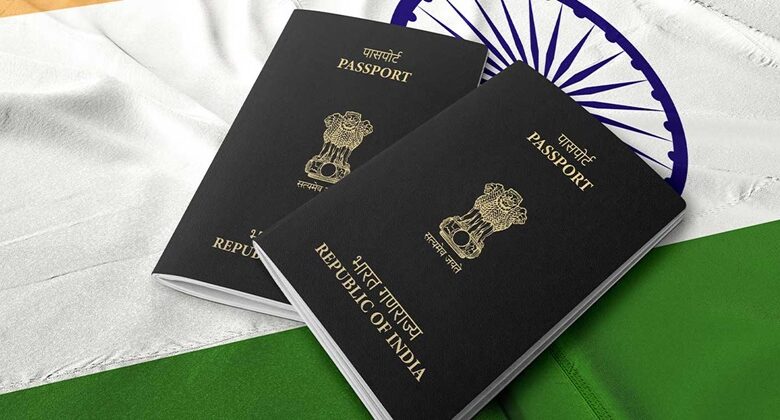
The Indian embassy in the UAE confirmed that three different Indian passport designs are now officially in circulation: the older booklet, the machine-readable version, and the newly introduced chip-enabled e-passport. This announcement marks a historic moment for the UAE’s Indian community, as the latest design under India’s Passport Seva 2.0 initiative brings enhanced security features, a smart embedded chip, and a refreshed visual layout, while older formats remain valid until expiry.
Indian citizens residing in the UAE are now witnessing a unique first: three completely different Indian passport booklet designs in circulation at the same time. The development was reported by Middle East media, noting that expulsions of earlier classes and renewals mean holders could possess booklets of different series concurrently.


Until recently, most Indian passport-holders abroad typically carried one design at a time: the older booklets, the newer machine-readable ones, or the latest biometric e-passports. But now, especially for the large Indian expatriate community in the UAE, all three are valid and in use.
The three designs currently in use include:
- The older paper-based booklet (standard booklet issued before migration to machine-readable passports).
- A machine-readable version with upgraded security features and a newer cover design.
- The latest e-passport series with an embedded chip and digital security, under the Passport Seva 2.0 rollout.
For Indian expatriates in the UAE, that means several practical implications: if you hold an older design passport, you might face a different renewal fee, you may be required to convert to the new format sooner, and immigration authorities may ask for extra verification when travelling.
The Indian community in the UAE is among the world’s largest diaspora groups, making this passport transition especially significant. The rollout of the e-passport series coincides with the digitalisation of consular services at the Indian Embassy in Abu Dhabi and the Consulate in Dubai, which announced new online portals and chip-embedded passports effective from 28 October 2025.
This simultaneous circulation of three passport designs may feel unusual, but it reflects India’s move toward technological and service upgrades for its global citizenry. For Indian expats in the UAE, it’s less about which booklet you hold and more about ensuring your travel, residency, and renewal documents remain valid and recognised. Secure your booklet, keep informed, and you’ll be ready for this new phase of passport evolution.