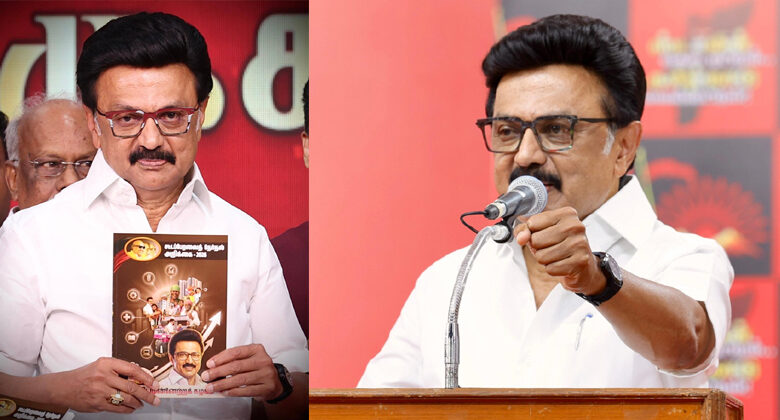
As the DMK prepares for the 2026 Assembly elections with the slogan “We do what we say,” its governance record has come under increasing scrutiny. While the party asserts that it has fulfilled a majority of its 2021 electoral promises, critics argue that several key commitments remain either partially implemented or significantly modified.
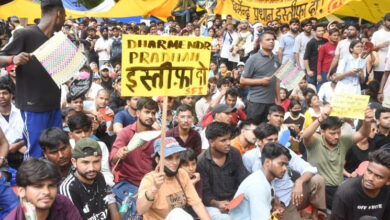
Among students, dissatisfaction is growing over unmet education-related assurances. The widely promised waiver of education loans has not reached most graduates. Similarly, the free laptop scheme was replaced with a tablet distribution plan, but many eligible students report that they have yet to receive these devices—leading to criticism and the label of “tab politics.”


Farmers’ groups have also raised concerns about the gap between promises and implementation. The DMK had pledged a minimum support price of ₹2,500 per quintal for paddy and ₹4,000 per tonne for sugarcane. However, many farmers say they are unable to secure these rates and continue to rely on private buyers. Additionally, the Tamil Nadu Land Consolidation Act, 2023 has sparked fears that agricultural land could be diverted for industrial purposes, potentially sidelining farmers’ interests.
Government employees remain disappointed over the unfulfilled promise to restore the Old Pension Scheme (OPS). Instead, the government introduced the Tamil Nadu Assured Pension Scheme (TAPS), citing financial constraints. Employee unions have criticized this move, describing it as a repackaged version of the contributory pension system. Meanwhile, sanitation workers and Anganwadi staff continue to press for long-promised benefits such as weekly holidays and wage increases.
Public concerns have also been fueled by rising costs. Electricity tariffs have increased, contradicting earlier assurances of reduced power bills. Although the ₹50 service charge for three-phase connections was waived, higher connection fees have offset any potential benefit.
The state-run dairy cooperative Aavin has faced criticism over technical issues and product quality. While there was an earlier reduction in milk prices, the lack of an independent pricing commission has left both producers and consumers dissatisfied.
Looking ahead, the DMK has proposed a new welfare scheme offering ₹8,000 coupons to homemakers for purchasing household appliances. However, questions have been raised about the financial feasibility of this proposal, given the state’s fiscal situation.
As the election campaign intensifies, the DMK faces mounting criticism from opposition parties and various social groups. The 2026 polls are likely to test whether voters prioritize new promises or hold the government accountable for its past commitments, even as the party continues to promote its “Dravidian Model” of governance.