A recent series of murders and sexual offenses across Tamil Nadu has triggered serious public concern, with the brutal killing of a 17-year-old student near Vilathikulam in Thoothukudi district becoming a focal point of outrage. The case has raised troubling questions about both policing failures and broader systemic issues.
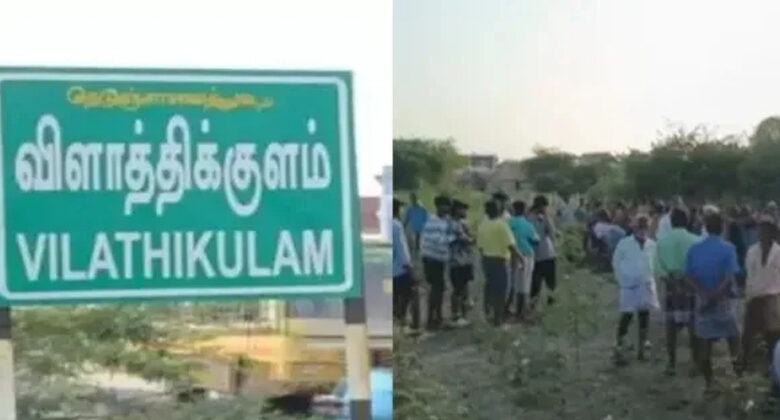
The victim, a Plus Two student from Kulathur, went missing last Tuesday evening after stepping out of her home. When she did not return, her family began searching, but initial efforts by the police reportedly failed to locate her. It was only the following day, March 11, that villagers discovered her body in a thorny area near the village. Reports indicated multiple injuries, and the condition of her clothing suggested possible sexual assault.


The family has alleged serious lapses in the response, with one relative’s emotional statement — “We had to find our child ourselves… the police didn’t act then, but now they say they will” — capturing public anger and frustration over what is seen as delayed action.
The accused, Dharma Muniswaran, had previously been convicted in a sexual homicide case and was out on bail since December. His presence in the area despite such a background has raised concerns about monitoring mechanisms and intelligence failures.
Following widespread attention, senior officials stepped in and disciplinary action was taken against local police personnel, including the suspension of an Inspector and a Sub-Inspector. However, critics argue that such measures come too late and fail to address deeper issues in policing and crime prevention.
Series of Incidents Raises Broader Concerns
The Vilathikulam case is part of a wider pattern of disturbing incidents reported across Tamil Nadu in recent weeks:
- In Maduranthakam, a 14-year-old girl was allegedly abducted and gang-raped near a lakeshore, with one suspect reportedly linked to a political party.
- In Salem, the sexual assault of a 66-year-old woman shocked residents and drew strong condemnation.
- In Chennai’s Ayanavaram area, the molestation of a seven-year-old girl has heightened fears about child safety even in urban environments.
Questions Over Governance and Policing
Despite the state government’s assertion that law and order remains strong, these repeated incidents have intensified criticism. Allegations of delayed FIR registration and the need for political intervention in some cases have raised concerns about police autonomy and responsiveness.
Activists also point to a reactive pattern in enforcement, such as crackdowns on narcotics only after major crimes occur. Some argue that the increasing availability of substances like ganja is contributing to violent behavior, underscoring the need for preventive strategies rather than post-incident responses.
Growing Public Discontent
There is a visible shift in public sentiment, with many expressing declining trust in law enforcement. Where people once expected prompt police intervention, there is now a perception that action often comes only after tragedies unfold.
Critics further argue that official narratives portraying Tamil Nadu as a safe state for women are increasingly at odds with ground realities. As these incidents continue to surface, there is mounting pressure on authorities to deliver meaningful reforms.
For many citizens, the expectation is clear: beyond assurances and slogans, there must be tangible steps to ensure safety, accountability, and justice.