India is at a critical juncture of political innovation, where transformative ideas like “One Nation, One Election” have the potential to reshape the nation’s democratic structure. This initiative envisions synchronised national and state elections to reduce the constant churn of campaigning, allowing political leaders to devote more energy to governance and long-term development strategies.
In this evolving framework, there is a pressing need to redefine the role of state governors. Traditionally perceived as ceremonial figures, governors must now emerge as autonomous protectors of constitutional values. Currently dependent on state governments for resources and support, governors often struggle to remain impartial. A significant shift in their role would involve categorising Raj Bhavans as central government assets, with complete administrative and financial independence from state influence.


This vision calls for a presidential system of governance where a powerful, directly elected leader governs at the center, while governors serve as impartial custodians of legality and ethics, counterbalancing even the most influential Chief Ministers. A national committee could be established to appoint governors with a blend of administrative experience, public empathy, and constitutional knowledge—leaders between the ages of 50 to 75, drawn ideally from senior bureaucratic ranks.
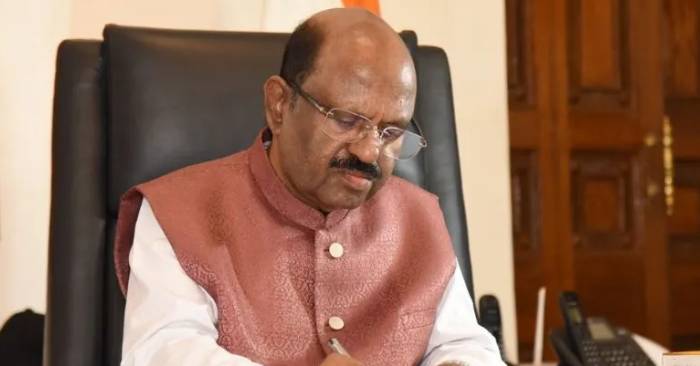
Dr. C.V. Ananda Bose, the Governor of West Bengal, already exemplifies this model. His innovative governance, public engagement, and firm constitutional stance offer a glimpse of what empowered governors could achieve nationwide.
Together with synchronised elections, robust Chief Ministers, and constitutionally empowered governors, India has the opportunity to enter a new era—one that prioritises accountability, unity, and visionary governance.