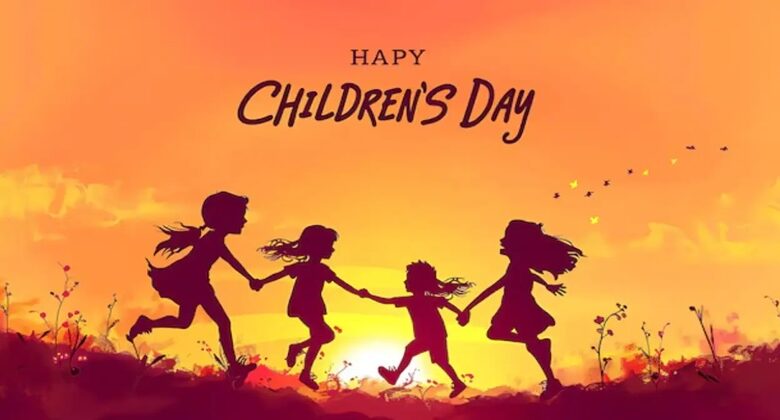
Each year on 14 November, India celebrates Children’s Day, also known as Bal Diwas. The day marks the birth anniversary of Jawaharlal Nehru, India’s first Prime Minister, fondly called “Chacha Nehru” for his deep affection for children.
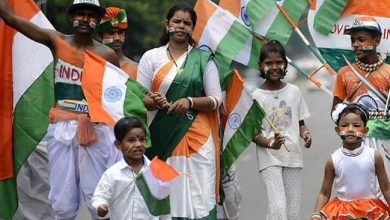
This celebration is not only about commemorating Nehru’s birthday but also about honouring childhood, acknowledging the rights and welfare of children, and emphasising society’s responsibility to nurture and educate its youngest members. Schools and communities across India organise special events, performances, and educational activities to make children feel valued, while also highlighting the importance of their growth and development.


Celebration of Children’s Day in India carries much significance. Initially, India followed the global convention of celebrating Universal Children’s Day on 20 November, which the United Nations recommended to promote children’s rights all over the world.
But due to the special connection that Jawaharlal Nehru shared with kids and his strong advocacy for education and their well-being, the Indian government decided to celebrate Children’s Day on his birth anniversary starting from 1957 onwards.
He felt that children are the strong building blocks for the future nation who need to be properly oriented to develop their minds, creativity, and potential. This day has grown over the years into an annual event across schools and communities, combining enjoyment with reflection on children’s welfare and rights.
Jawaharlal Nehru believed that children are the future of the nation and should be nurtured with love, care, and guidance. His famous quote, “Children are like buds in a garden and should be carefully and lovingly nurtured, as they are the future of the nation,” reflects this philosophy.