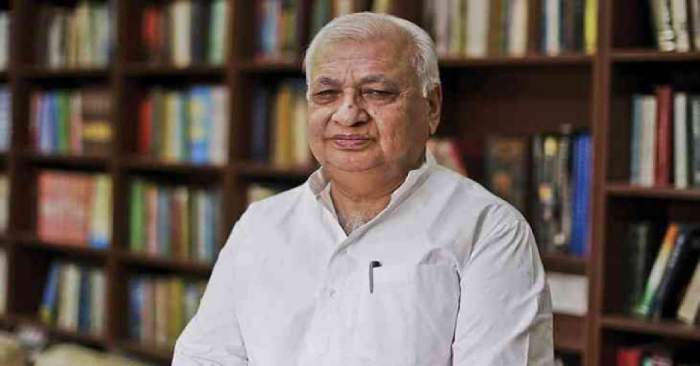
Governor Arif Mohammad Khan’s five-year term is set to conclude on Thursday, with speculation suggesting that he might serve temporarily beyond this date. In the event that his term ends or if a vacancy arises before its conclusion, the President will need to formally appoint a new governor through a notification. Unlike some other positions, the outgoing governor does not hand over duties to the incoming governor. Instead, the new governor will assume office after taking an oath before the Chief Justice of the High Court.
Should a new appointment notification not be issued before the end of Khan’s term, he may remain in office. The duration of this extension is uncertain and could potentially last several months until a new governor is appointed.


In the meantime, Khan is scheduled to attend a Vinayaka Chaturthi event in Kottayam on Wednesday and will have meetings with visitors on Thursday. His guests will be hosted at the Raj Bhavan until mid-month. Historically, no governor in Kerala has been reappointed, so a new appointment would necessitate another oath-taking ceremony.
The relationship between Khan and the central government has been marked by tensions, with the latter viewing these conflicts as advantageous for the BJP’s political prospects in the state. The central government believes that Khan has used his role as Chancellor to draw attention to corruption within the higher education sector.
The Kerala government has been involved in legal disputes with Khan, including challenges to a bill seeking to remove the governor from the Chancellor role and a bill aiming to give the state government authority over vice-chancellor appointments. Additionally, the state has contested the governor’s decision to withhold bills passed by the legislature. The outcome of these cases might be influenced by the appointment of a new governor.