The Hemant Soren-led government in Jharkhand is facing mounting criticism for its failure to address two critical, interconnected issues: the rise of extremism and the unchecked influx of illegal Bangladeshi immigrants. These challenges not only compromise the state’s security but also raise serious questions about its governance and administrative capabilities.
Al-Qaeda’s Presence in Jharkhand?


In a recent joint operation by the Delhi Police, Jharkhand ATS, and other central agencies, a significant Al-Qaeda module was dismantled, exposing a plot to establish a Khilafat in India. The operation led to the arrest of 12 individuals, including professionals like a doctor and madrasa teacher. The group’s leader, Dr. Ishtiaq Ahmed, an MBBS doctor from Jharkhand, reportedly had international connections. He worked with Mufti Rahmatullah Majhiri, a madrasa teacher in Ranchi, to recruit local youth.
What’s particularly alarming is the group’s deep connections to local communities, with many of the arrested individuals coming from underprivileged backgrounds. These diverse recruits suggest a calculated effort by extremist groups to infiltrate multiple layers of society and spread their radical ideologies.
Illegal Infiltration Crisis
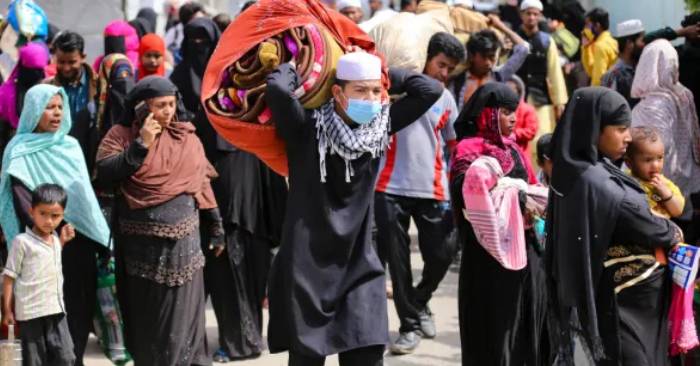
Simultaneously, Jharkhand is grappling with the influx of illegal Bangladeshi immigrants, especially in the Santhal Pargana region, which includes districts like Pakur. The 2011 Census reports a population growth rate of 28% in Pakur, but a recent voter verification process revealed that Muslim-majority areas in Pakur have seen a staggering 65% increase in voter numbers. This sharp rise points to the presence of illegal immigrants, potentially altering the region’s demographic and electoral landscape.
However, the verification process led by the Pakur district administration has been criticized for its inadequacy. Conducted hastily over three days, it relied primarily on matching voter cards with Aadhaar records, without thoroughly investigating document authenticity. Reports of widespread document forgery, including fake Aadhaar cards and birth certificates, in the Santhal region have further undermined the process.
Government’s Responsibility and Alleged Leniency
Critics argue that the JMM-Congress government, under Hemant Soren, is being lenient towards illegal infiltration, allegedly using it to secure political advantages. By allowing illegal immigrants to settle, the government may be expanding its voter base, turning a blind eye to the serious national security and communal implications.
The administration’s superficial approach to verifying voter lists has raised concerns about its commitment to electoral integrity. Out of 263 polling stations in the Pakur-Maheshpur region, only nine were investigated for unusual voter increases, suggesting a lack of genuine intent to address the issue. The government’s explanation that the voter surge is due to population growth and awareness campaigns fails to explain the irregularities found in these specific areas.
A Looming Crisis
The combination of rising extremism and unchecked illegal immigration poses a serious threat to Jharkhand’s stability. If these issues remain unaddressed, the state could face far-reaching consequences, including a deteriorating security situation and a demographic shift that undermines law and order. The challenges in Jharkhand are not just regional but carry potential risks for the broader socio-political stability of India.