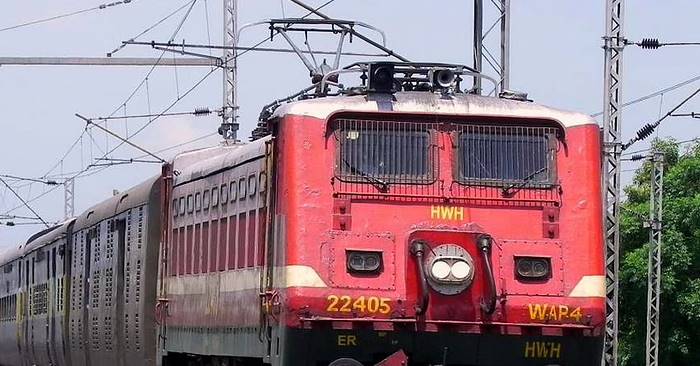
Indian Railways, an extensive network spanning over 1.3 lakh kilometers, is a crucial part of India’s infrastructure, serving 23 million passengers daily across 7,335 stations. While it contributes significantly to the nation’s economy, it has also been plagued by frequent and tragic accidents, such as the Firozabad disaster in 1995 and other deadly collisions in Khanna and Gaisal. For decades, these incidents highlighted the urgent need for robust safety measures in the rail network.
Addressing these long-standing concerns, the introduction of Kavach marks a game-changing moment in the history of Indian Railways. This indigenously developed Automatic Train Protection (ATP) system serves as a protective shield for trains, monitoring speed, alerting operators of potential hazards, and automatically stopping trains when necessary. Designed by the Research Design and Standards Organisation (RDSO) in collaboration with Indian companies, Kavach significantly enhances operational safety even during adverse conditions.

Kavach’s impact has been transformative, contributing to a significant drop in train accidents, from 473 incidents in 2000-01 to just 40 in 2023-24. This success is part of a broader safety push, including the Rashtriya Rail Sanraksha Kosh—a ₹1 lakh crore fund established in 2017 to upgrade critical railway infrastructure. The fund was extended by ₹45,000 crore in 2023, underlining the government’s continued commitment to rail safety.
Since its official approval as the national ATP system in 2020, after successful trials and certification, Kavach has already been deployed across key sections of the rail network. With over 301 locomotives and 273 stations equipped, Indian Railways is on track to implement Kavach across 44,000 kilometers of track within five years, making the system one of the largest and safest in the world.
Despite challenges such as recent accidents and the vast scale of implementation, Kavach represents India’s drive to modernize its railways. Investments in electrification and communication infrastructure, including optical fiber installation, are ensuring that the full rollout of the system is progressing steadily.