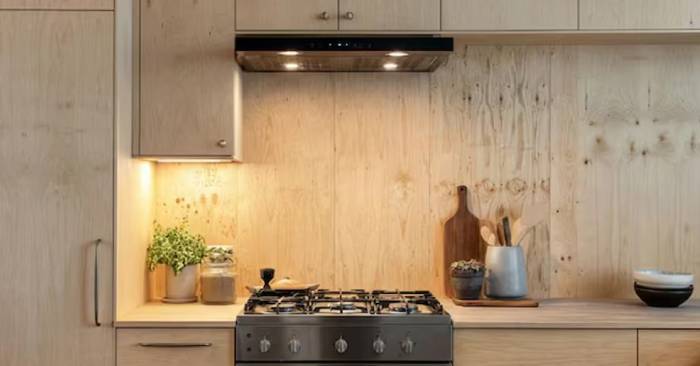
Timber has long been admired for its timeless elegance and aesthetic appeal in interior design. However, the rising costs and scarcity of high-quality timber have made alternatives like multi-wood, plywood, and MDF popular choices. These materials not only offer affordability but also bring durability and practicality to modern homes.
Multi-Wood
Multi-wood, a widely used alternative, is a durable plastic-based material.
Advantages:


- Resistant to moisture, making it ideal for wet areas like kitchens and bathrooms.
- Long-lasting and weather-resistant, suitable for both interior and exterior use.
- Requires no polishing, reducing maintenance efforts.
Disadvantages:
- Environmentally unfriendly as it lacks eco-treatment.
- Limited usability in furniture-making due to low screw-holding capacity.
Plywood
Plywood is an engineered wood product composed of layered wood veneers.
Advantages:
- Closely mimics the appearance of natural timber.
- Easily customizable for various shapes and sizes.
Disadvantages:
- Susceptible to moisture damage, limiting its versatility.
MDF (Medium Density Fibreboard)
MDF is crafted from wooden fibers and is considered a superior engineered wood option.
Advantages:
- High quality at an affordable price.
- Available in specialized varieties like HDF and anti-cockroach boards.
- Environmentally safe, as it decomposes naturally.
Disadvantages:
- Marketed MDF boards often include counterfeits.
- Unregulated chemical additions can cause long-term damage and hazards like gas leaks.
- Opt for tropical hardwood-based MDF for longevity.
Each alternative has its strengths and limitations, making it essential to choose based on specific needs such as location, usage, and budget. Whether it’s multi-wood for moisture-prone areas, plywood for timber-like aesthetics, or MDF for cost-effective versatility, there’s a solution for every furnishing challenge.