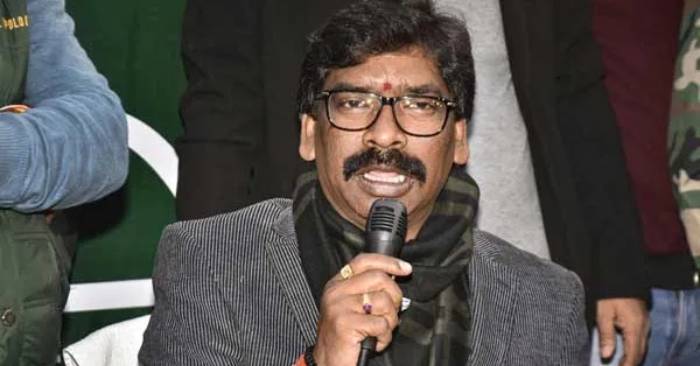
The upcoming Jharkhand state election presents a significant challenge for the ruling Jharkhand Mukti Morcha (JMM) as allegations of corruption and appeasement politics cast a shadow over the Hemant Soren-led government. These twin issues threaten to erode the party’s tribal support base, traditionally a stronghold of the JMM, while offering an opportunity for opposition parties like the Bharatiya Janata Party (BJP) to gain ground.
Corruption allegations, particularly around illegal land deals, have severely dented the credibility of Soren’s administration. Investigations by the Enforcement Directorate (ED) into fraudulent land transactions have revealed that non-saleable lands were altered for sale, benefiting politically connected individuals. In a state where land ownership is a sensitive issue, especially for tribal communities, such scandals undermine public trust. The perception that the government is exploiting resources meant for the common people could severely damage JMM’s prospects.


Simultaneously, Soren’s government has been accused of appeasement politics, particularly favoring certain minority communities through illegal land encroachments for religious purposes. Reports of land grabs for churches and graveyards, including attempts to seize sacred Jaherthan sites, have sparked outrage among Jharkhand’s tribal population, who view these actions as an attack on their religious and cultural identity.
The BJP, capitalizing on this discontent, is positioning itself as an alternative to the JMM, focusing on corruption and tribal marginalization. Their strategy is aimed at portraying the JMM as a party that has strayed from its core values, potentially leading to a political realignment in the upcoming elections.