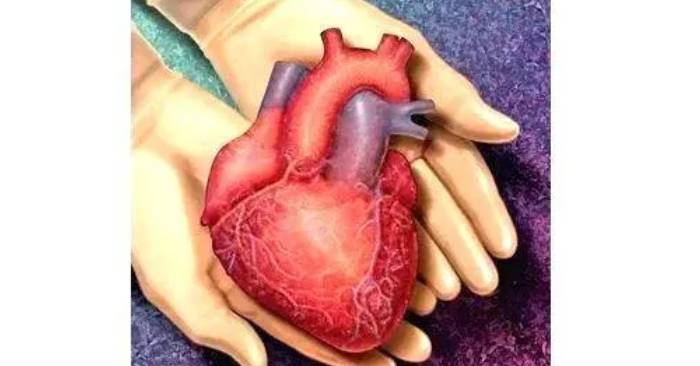
Kerala, a state recognized for its advancements in healthcare, is struggling to keep pace in the crucial area of deceased organ donation. Despite its medical achievements, Kerala ranks 12th nationally with just 5,894 people registered as organ donors, significantly trailing states like Maharashtra, which leads with 51,506 registrations.
The Kerala State Organ and Tissue Transplant Organisation (K-SOTTO) reports that only 387 individuals have donated organs after death in the past 13 years, resulting in 1,108 transplant procedures. So far in 2025, organs from nine brain-dead donors facilitated 24 transplants, indicating a continuing downward trend. One of the most pressing issues is the reluctance of medical professionals to officially declare brain death— a legal and medical necessity for initiating organ retrieval. Moreover, families of the deceased are often not adequately informed about the importance and procedures of organ donation.


Currently, 2,767 patients are on Kerala’s organ transplant waiting list, with kidneys being the most sought-after—2,128 individuals are awaiting a kidney alone. Other organs in demand include the liver (492), heart (82), and lungs (1). The numbers show a slight rise in donations from living donors, but deceased donor rates remain critically low.
Dr. Noble Gracious, Executive Director of K-SOTTO, emphasized the urgent need for timely brain death certifications, stating, “We must act during this window to make organ donation possible.” Without systemic reforms and improved awareness, Kerala risks falling further behind in saving lives through organ donation.