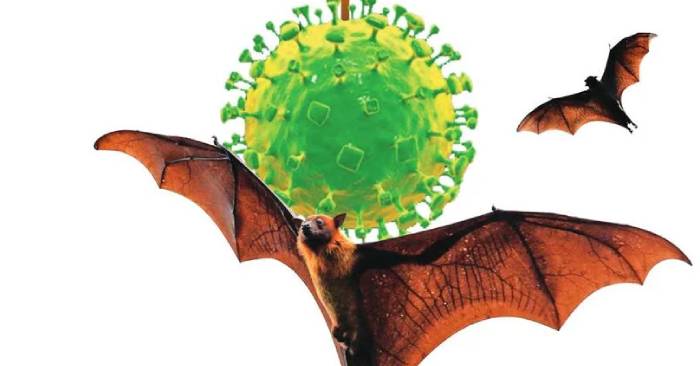
As Kerala enters a high-risk season for Nipah virus transmission, the state’s Health Department has issued an alert, urging residents to remain cautious and follow strict preventive measures. The warning comes in light of previous detections of Nipah virus antibodies in fruit bats found in Kozhikode, Wayanad, Malappuram, Ernakulam, and Idukki districts—indicating the potential risk of transmission to humans.
Health authorities have reinforced preventive protocols across healthcare facilities, integrating a One Health approach that emphasizes collaboration between human, animal, and environmental health sectors to mitigate the risk of outbreaks.


Public Awareness Crucial for Prevention
District Medical Officer (DMO) Dr. P. Dinesh highlighted that effective Nipah virus prevention depends largely on public participation and adherence to scientific safety measures. He stressed the importance of early detection, responsible hygiene practices, and community awareness to curb the spread of the deadly virus.
Essential Preventive Measures
The Health Department has advised the public to take the following precautions to minimize the risk of infection:
Avoid consuming fruits that have been partially eaten by birds or animals or have fallen to the ground.
Thoroughly wash all fruits before consumption to eliminate potential contaminants.
Refrain from drinking toddy or similar beverages stored in open containers, as they may be contaminated by bats.
Wear gloves when handling fallen fruits, areca nuts, or similar items to prevent direct contact with bat secretions.
Immediately wash hands with soap and water if any suspected contact occurs with bat-contaminated surfaces.
Do not disturb or destroy bat habitats, as agitating the animals could lead to increased secretion of bodily fluids, heightening the risk of virus transmission.
Heightened Vigilance in High-Risk Areas
Given the history of Nipah outbreaks in Kerala, health authorities remain proactive in their surveillance efforts. Strict monitoring and early intervention strategies are in place to identify and isolate potential cases swiftly.
The public is urged to report any unusual fever cases or symptoms such as severe headache, respiratory distress, or neurological complications, which are common indicators of Nipah virus infection.
With Kerala’s past experience in containing Nipah outbreaks, the Health Department continues to work closely with local communities to ensure swift action and preparedness. However, strict adherence to safety protocols remains the most effective way to prevent the spread of the virus.