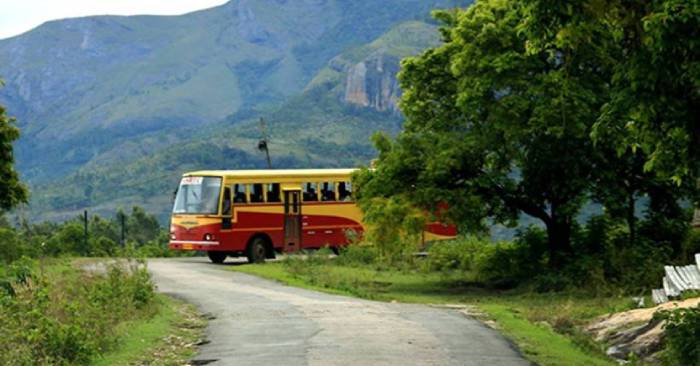
Thiruvananthapuram: Over the last three years, the Kerala State Road Transport Corporation (KSRTC) has received a substantial Rs 5,940 crore in government aid, yet only Rs 139 crore of this has been allocated towards acquiring new buses, resulting in a modest addition of just 434 buses to its fleet. During this time, 1,047 buses were decommissioned due to age, and 1,736 were grounded due to the COVID-19 pandemic, with half being scrapped.
Despite the significant financial support, KSRTC has struggled to effectively utilize the funds, which has hampered the future development of public transportation in the state. The corporation’s monthly expenditure includes Rs 70 crore for pensions and Rs 50 crore for salaries, both sourced from government aid, often as loans without a repayment plan, leading to frequent debt write-offs. As of June, KSRTC’s debt to the government stands at Rs 12,372 crore.

The finance department has expressed concerns about using government aid for salaries and pensions, suggesting instead that increasing the bus fleet could boost revenue. However, a reduction in permanent staff from 33,000 to 22,000 has not resulted in improved daily revenue, which remains at Rs 7.50 crore, short of the Rs 10 crore needed for financial self-sufficiency.
Efforts to replace the ageing bus fleet have been slow, with only 269 new diesel buses added, despite plans to purchase 250 electric buses, of which 165 have been received. A recent policy shift following a ministerial reshuffle has further delayed bus procurement.
Plans are in place to purchase an additional 400 diesel buses, but outstanding payments to previous suppliers have stalled progress. The corporation’s financial stability is further threatened by fluctuating fuel prices, which could worsen its already precarious situation.