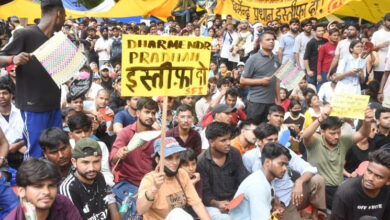
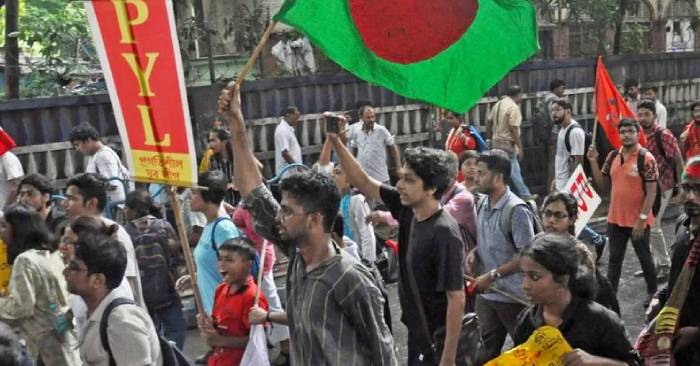
Bangladesh has extended a nationwide curfew on Sunday as the Supreme Court is set to rule on a contentious job quota system that has sparked days of deadly clashes between police and protesters. The civil service hiring quota, which reserves up to 30 percent of government jobs for relatives of veterans from the 1971 independence war, has been a flashpoint for nationwide demonstrations led primarily by student groups.
The protests, which began weeks ago, have resulted in significant violence, with the Daily Prothom Alo newspaper reporting at least 103 deaths as of Saturday. The Bangladeshi authorities have not provided official numbers of casualties. On Tuesday, violence erupted with police using tear gas, rubber bullets, and smoke grenades to disperse protesters who filled the streets and university campuses. Sporadic clashes continued in Dhaka over the weekend, though it was unclear if there were additional fatalities.


In anticipation of the Supreme Court’s verdict on whether to abolish the job quotas, soldiers have been deployed across cities, and a nationwide internet blackout remains in effect. Home Minister Asaduzzaman Khan announced that the curfew would be relaxed from 3 pm to 5 pm on Sunday to allow people to run essential errands. The government has also declared Sunday and Monday as public holidays, with only emergency services permitted to operate.
The unrest underscores significant frustrations among the youth, who face limited job opportunities upon graduation. The job quota system is seen by many as discriminatory and politically biased, benefitting supporters of Prime Minister Sheikh Hasina’s Awami League party. Hasina has defended the quota system, arguing that veterans deserve respect for their contributions to the independence struggle, regardless of their political affiliations. The main opposition, the Bangladesh Nationalist Party (BNP), supports the protests and plans to organize its own demonstrations, although it denies responsibility for the violence.
The High Court reinstated the job quotas in June after they were initially suspended in 2018 following mass student protests. The Supreme Court’s ruling is highly anticipated as it will determine the future of the controversial quota system amidst ongoing political and social unrest.