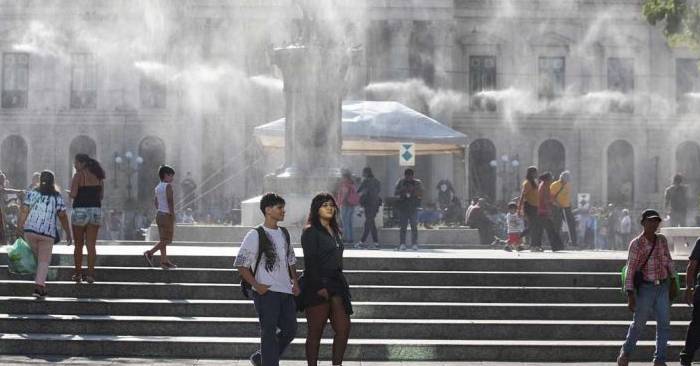
Climate change is significantly affecting human health across the globe, manifesting in various alarming ways. In Sri Lanka, fishing communities are experiencing a troubling rise in late-stage kidney failure among young men, with exposure to extreme heat—exacerbated by climate change—being a major contributing factor. Similarly, a study published in Nature Communications has highlighted that non-optimal temperatures, both high and low, are linked to increased neonatal deaths in low- and middle-income countries, underscoring the direct impact of climate change on vulnerable populations.
The International Labour Organization (ILO) reports that climate change is exposing 2.4 billion workers to health hazards such as cancer, cardiovascular diseases, and kidney dysfunction. The crisis extends to every aspect of life, affecting food, water, air, and overall well-being. Rising temperatures contribute to heat-related illnesses, exacerbating respiratory and cardiovascular conditions. Extreme weather events cause injuries, mental health issues, and worsen air pollution, while vector-borne diseases spread to new areas. Vulnerable populations, including children and the elderly, face disproportionate risks from these climate-related health impacts.


Kidney diseases are becoming increasingly prevalent due to climate change. Higher temperatures lead to dehydration and heat stress, which in turn causes chronic kidney disease and acute kidney injuries. Newborns are also at risk, with climate-driven heat stress leading to severe complications like organ failure and increased mortality. Cancer risks are rising due to increased air pollution, UV radiation, and carcinogenic exposure from pesticides and contaminants. As temperatures continue to rise, the prevalence of cancer is expected to increase, highlighting the urgent need for comprehensive strategies to mitigate climate change and protect public health.