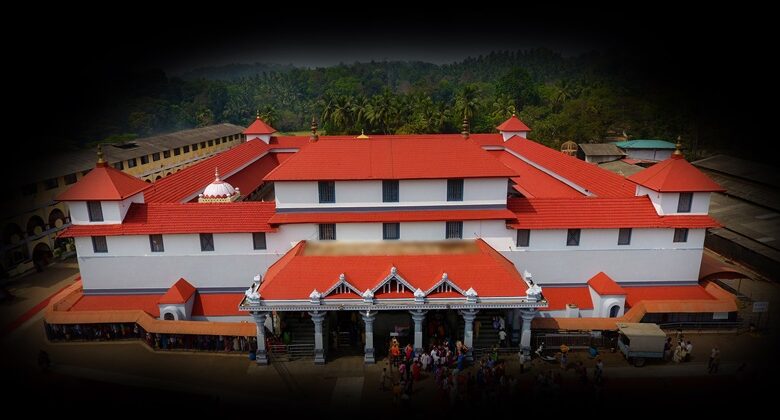
On 3 July, the southern state of India, Karnataka, woke up to the highly sensational case after a sanitation worker who once served at the 800-year-old Shri Dharmasthala Manjunatheshwara Temple walked into the Superintendent of Police’s office in Dakshina Kannada with a six-page complaint. His claims were shocking: the worker revealed that between 1998 and 2014, he was allegedly instructed to bury “hundreds of bodies” of women and children.
Some of the victims, he claimed, had been raped. “Many of the female bodies were without clothing or underwear. Some bore clear signs of sexual assault and violence: wounds or strangulation that indicated violence,” the complaint stated. The 48-year-old sanitation worker, who belongs to the marginalised Dalit community, said he was coerced by some “influential people” into performing the burials to protect himself and his family.


In the era of social media, sensational stories travel fast. Within days, videos, posts, and speculative ‘exposés’ began to circulate online. YouTubers dissected the allegations with dramatic flair, influencers inserted their spin, and certain media outlets jumped to conclusions, crafting a dark, damning image of Dharmasthala before the Special Investigation Team (SIT) had even lifted a spade.
But beneath the noise, facts told a quieter-and very different-story. Many mainstream Kannada editors and reporters, aware of the temple’s centuries-long legacy of charity, education, and social service, recognised the contours of a familiar playbook: an agenda-driven attempt to discredit a revered Hindu institution. Rather than serve as megaphones for unverified claims, they chose restraint.
The danger here is larger than one man’s allegations. It’s about how selective amplification by activist-journalists, politically motivated groups, and social media echo chambers can create a perception of guilt without proof. In the telling of the Dharmasthala story, inconvenient facts were often omitted: court acquittals in earlier unrelated cases, decades of philanthropic work, and the temple’s role as a beacon of interfaith harmony.
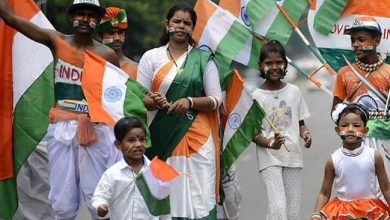
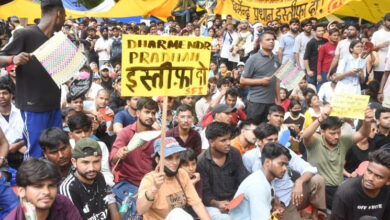
While the SIT continues its work, Karnataka’s streets have told their counter-narrative. In town after town-Chikkamagaluru, Koppal, Yadgir, Mysuru, Kalaburagi-thousands of devotees, community leaders, and even members of minority communities have marched in support of Dharmasthala. The rallies have carried not just placards, but a message: that the temple’s legacy will not be dictated by viral outrage or one-sided reporting.
In an era where clicks often outweigh truth, Dharmasthala’s ordeal is a reminder: bias in storytelling can be as damaging as the allegations themselves. And for a sacred institution that has withstood centuries of change, this moment is not just about clearing its name-it’s about defending the very principle that truth must outlast the noise.