In light of several state elections on the horizon, the Election Commission of India has begun a Special Intensive Revision (SIR) of the electoral rolls to ensure that the voter list remains accurate and trustworthy. The Commission, which is legally responsible for preparing and updating voter rolls, carries out such revisions regularly, but the current exercise has gained particular importance due to rising illegal migration, duplicate entries, and the failure to remove names of deceased voters.
The SIR aims to make sure every eligible voter is included, while ineligible or repeated entries are removed. Rapid urban growth, people moving between districts, demographic changes and new registrations have created errors across many constituencies. Outdated entries and duplicate records have raised concerns about the fairness of the electoral process. Officials note that a clean, accurate voter list is essential for a healthy democracy, helping prevent impersonation, fake voting and administrative lapses.


Tamil Nadu, which sees a steady flow of people migrating from rural to urban areas, has witnessed frequent changes in voter details, making this verification drive particularly necessary. The SIR began on 4 November 2025 and will conclude with the publication of the final list on 7 February 2026.
Key dates:
- House-to-house verification: until 4 December
- Draft roll publication: 9 December
- Applications and objections: 9 December – 8 January 2026
- Verification and hearings by EROs: 9 December – 31 January 2026
- Final roll publication: 7 February 2026
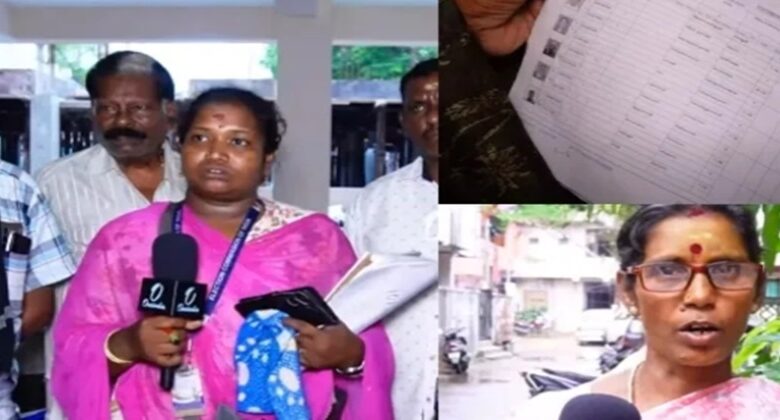
This is not the first time a large correction of the rolls has been undertaken. Similar revisions took place between 2002 and 2004 when errors had built up. In the current drive, Booth Level Officers are visiting homes to verify names, ages, addresses and identification documents.
Citizens can also review and update their details through online services. Officials have clarified that the purpose is verification, not arbitrary deletion. Only entries that cannot be confirmed despite repeated attempts will face further scrutiny, and safeguards are in place to ensure that genuine voters are not removed.
In Tamil Nadu, the DMK and Congress have questioned the SIR, claiming that it could lead to wrongful deletions, especially among marginalised groups who may lack documents or awareness. The ruling party at the Centre has rejected these accusations, calling them unfounded.
Election officials maintain that the process is uniform across all states and includes multiple layers of review, opportunities to appeal, and channels for grievances. They insist that the exercise is purely administrative and free from political influence.
A similar revision was carried out recently in Bihar. Contrary to fears of voters being removed, the state saw a rise in turnout-66.91% overall. Women voted in even higher numbers, reaching a record 71.6%, compared with 62.8% for men. Analysts say a well-maintained voter list reduces confusion at polling stations and encourages more people to participate.