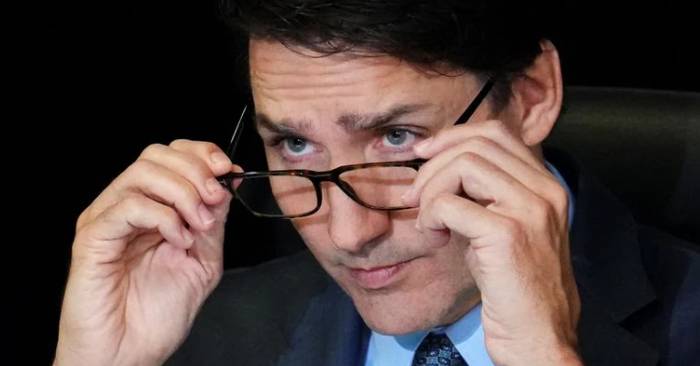
Canada has announced its decision to pursue legal action against the United States in response to the newly imposed 25 per cent tariffs on most Canadian goods. A senior government official, speaking on condition of anonymity, described the tariffs as illegal and a violation of trade agreements between the two nations. The Canadian government plans to challenge the tariffs through international legal bodies, including the World Trade Organization (WTO), arguing that they contradict existing trade commitments.
The tariffs, imposed by US President Donald Trump, exclude energy products such as oil, gas, and electricity, which will instead be subjected to a 10 per cent duty starting February 18. The broader 25 per cent tariff on other Canadian imports will take effect on Tuesday. In retaliation, Prime Minister Justin Trudeau’s administration has implemented a 25 per cent levy on 1,256 American products, covering 17 per cent of total US imports into Canada. These tariffs, amounting to approximately C$30 billion, apply to goods such as orange juice, peanut butter, cosmetics, beer, motorcycles, and household appliances.


According to officials, major categories affected include C$3.5 billion worth of cosmetics and body care products, C$3.4 billion in household appliances, and C$3 billion in pulp and paper products. The government plans to release a second list of affected goods in three weeks, which will include automobiles, steel, aluminum, aerospace components, and select fruits and vegetables, collectively valued at C$125 billion.
The Canadian government maintains that the tariffs imposed by the US violate international trade agreements, including provisions under the North American trade framework. Officials have confirmed that additional legal avenues are being explored to challenge the US move.
While acknowledging that the ongoing trade dispute could have economic repercussions, Canadian officials have not provided specific details on the expected impact. To mitigate the burden on domestic businesses, the government is introducing a “remission process,” allowing eligible companies to apply for tariff relief or refunds under certain conditions.
Trump’s sweeping tariffs have also targeted imports from Mexico and China, with the stated objective of curbing fentanyl smuggling and, in the case of Mexico and Canada, reducing illegal immigration into the US. Analysts warn that the escalating trade conflict could disrupt global economic growth and trigger inflationary pressures, further straining international relations.