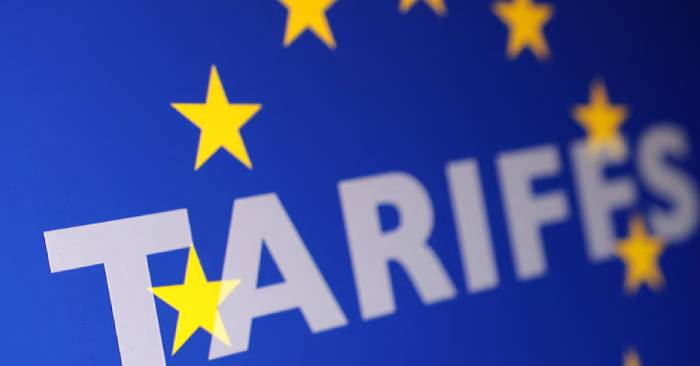
In retaliation to President Donald Trump’s sweeping tariffs on steel and aluminium imports, the European Union has proposed 25% reciprocal tariffs on a variety of US goods. The European Commission revealed that some of these tariffs will take effect from May 16, while others are scheduled for December 1. Products targeted include everyday items such as soybeans, dental floss, nuts, sausages, and even diamonds. Notably, previous considerations to impose heavy duties on American bourbon, wine, and dairy have been dropped from the latest list, reportedly to avoid a deeper escalation after Trump threatened a 200% counter-tariff on EU alcoholic beverages. EU trade chief Maros Sefcovic emphasized that the impact would be less severe than the initially planned €26 billion countermeasures.
While the EU is escalating its stance, Israeli Prime Minister Benjamin Netanyahu is attempting a more diplomatic route by seeking tariff exemptions from Trump during an in-person meeting at the White House. Israel, which now faces a 17% US tariff on its exports—including machinery and medical devices—is particularly vulnerable given the strong economic ties with the US, its largest trading partner. The two leaders were also expected to discuss the ongoing conflict in Gaza and the fate of hostages. Netanyahu’s visit marks the first official foreign leader engagement with Trump following his recent tariff announcement, and its outcome could set the tone for how other nations approach negotiations with the US.


Trump’s aggressive tariff policy has sent shockwaves through global markets and triggered a wave of high-level diplomatic communications. According to Trump’s economic adviser Kevin Hassett, the US president spent the weekend speaking with multiple world leaders regarding trade tensions. Meanwhile, US Trade Representative Jamieson Greer will testify before the Senate Finance Committee, noting that nearly 50 countries have approached the US to negotiate under the new tariff regime. Nations like Argentina, Vietnam, and Israel have even suggested lowering their own tariffs, signaling potential opportunities for reciprocal agreements. In a proactive move, Israel scrapped its remaining tariffs on American imports just last week, reinforcing the importance of preserving its decades-long free trade relationship with the US.