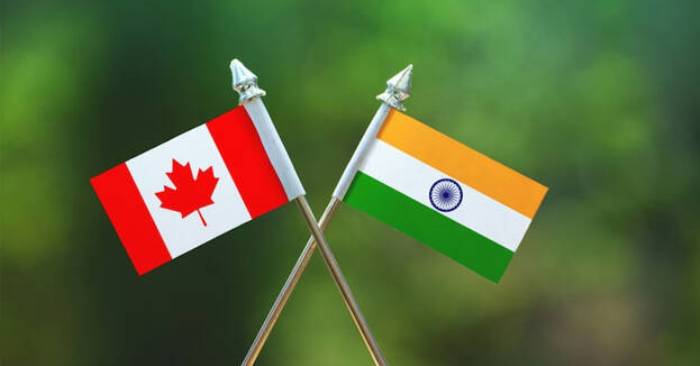
Diplomatic tensions between India and Canada have reached a critical point following the murder of Hardeep Singh Nijjar, a Canadian citizen and Sikh separatist leader, in 2023. The situation has escalated into a full-blown diplomatic crisis, with both nations expelling ambassadors and issuing strong accusations against each other, particularly concerning sovereignty violations.
Canadian Prime Minister Justin Trudeau has openly accused India of making a “fundamental error” by allegedly supporting criminal activities on Canadian soil. Speaking at a press conference in Ottawa, Trudeau condemned India’s actions as “unacceptable,” stating that Canada would not tolerate any foreign government threatening its citizens or violating international law.


In response to these allegations, both countries engaged in the reciprocal expulsion of diplomats. India expelled six Canadian officials, including Acting High Commissioner Stewart Wheeler, while Canada retaliated by expelling Indian diplomats, citing evidence collected by the Royal Canadian Mounted Police (RCMP) linking Indian intelligence services to Nijjar’s murder. Canadian Foreign Minister Melanie Joly stressed that the expulsions were based on substantial evidence.
Nijjar, who immigrated to Canada in 1997 and gained citizenship in 2015, was a prominent supporter of Khalistan, an envisioned independent Sikh state in India. He was wanted by Indian authorities on terrorism charges. His assassination in June 2023 outside a Sikh temple in Vancouver has been tied to Indian nationals, four of whom have been arrested.
India has rejected the accusations, calling them “preposterous” and an attempt to tarnish its image. New Delhi has expressed dissatisfaction with Canada’s handling of the case and summoned the Canadian envoy to demand evidence. India also hinted at additional retaliatory actions and criticized the Canadian government for allegedly supporting separatism and extremism.
This is not the first instance of strained relations between the two countries. In the previous year, India temporarily suspended visa services for Canadians and forced a reduction of Canada’s diplomatic presence in India. Additionally, a similar case emerged in the United States, where an Indian citizen was charged with plotting an assassination attempt allegedly connected to Indian government officials.
As the diplomatic fallout deepens, both India and Canada continue to stand firm in their respective positions, with the future of their relationship hanging in the balance. With a large Sikh population of about 770,000 in Canada, this issue remains sensitive and could further complicate the ties between the two nations.