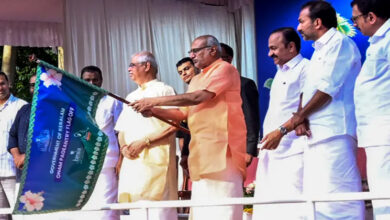
Amid prolonged protests by Accredited Social Health Activists (ASHAs) in Kerala, local self-government institutions (LSGIs) led by opposition parties have taken matters into their own hands. Various local bodies governed by the Congress, BJP, and UDF have announced special incentives and financial aid for ASHAs, bypassing the state government’s inaction on their demands. This move has sparked debate over whether LSGIs have the authority to allocate their own funds for wage increases without requiring final approval from the state.
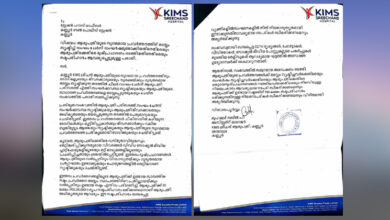
Several panchayats and municipalities, including Vechoochira (Congress), Elapully, Mutholy (BJP), Palakkad Municipality, and Kannur Municipal Corporation (UDF), have pledged to provide additional honorariums to ASHAs. The decision has been justified under the Kerala Panchayat Act, which allows LSGIs to allocate funds for public health and welfare. Former KILA Director General PP Balan affirmed that local governments have the power to spend from their own resources without state intervention, except for plan funds regulated by the District Planning Committee (DPC).
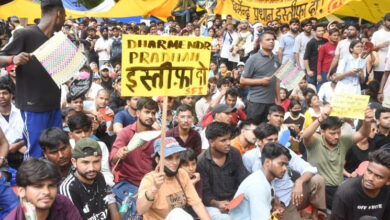
Congress has officially instructed its local bodies to provide additional wages to ASHAs using their own funds. This directive was issued by KPCC President K Sudhakaran, reinforcing the political nature of the move. The ASHAs’ indefinite strike, now exceeding 50 days, has seen dramatic protests, including workers shaving their heads to highlight their struggles. They demand an increase in their monthly honorarium from ₹7,000 to ₹21,000 and a retirement benefit of ₹5 lakh.
While local bodies argue they are acting within their financial rights, critics suggest political motivations behind these announcements. A retired senior bureaucrat pointed out that opposition-led LSGIs might be using this as a strategy to corner the LDF government. Additionally, concerns have been raised about the financial stability of local bodies, many of which struggle with revenue generation. Reports from the State Finance Commission indicate that while the own revenue of local governments has grown, its proportion relative to the state’s revenue has declined.
Despite political undercurrents, ASHAs continue their fight for fair wages, leaving Kerala’s governance in a tight spot. The key question remains—will the state government approve these local initiatives, or will it curb LSGI autonomy in wage policies?