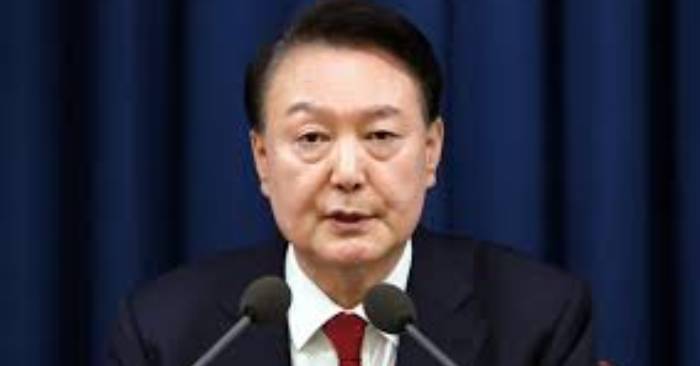
South Korean President Yoon Suk Yeol withdrew his contentious declaration of martial law on Wednesday following intense backlash from lawmakers and widespread public protests. Thousands of citizens took to the streets, and opposition lawmakers defied security forces to vote against the imposition of martial law, forcing Yoon to retract the decision within hours.
The declaration, announced late Tuesday, marked South Korea’s first martial law in over 40 years and plunged the country into political chaos. Yoon justified the move by citing threats from North Korea and so-called “anti-state elements.” However, the rationale was met with skepticism, as critics accused Yoon of exploiting the situation to suppress dissent and bypass democratic institutions.


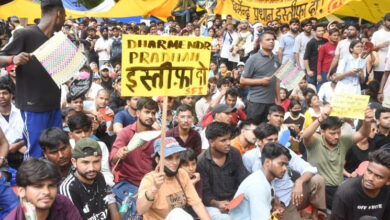
The National Assembly acted swiftly, with 190 lawmakers unanimously opposing the declaration, citing constitutional provisions that mandate the revocation of martial law upon parliamentary demand. Public outrage was palpable, with protesters braving freezing temperatures outside the Assembly and calling for Yoon’s resignation. Opposition leaders labeled the president’s actions a grave threat to democracy, demanding accountability and immediate impeachment.
The global response was one of concern. The United States, South Korea’s key ally, expressed relief over the reversal but criticized the lack of prior consultation. China and the UK issued warnings for their citizens in South Korea, urging caution amid the unrest. Experts suggest Yoon’s actions have left his presidency in jeopardy, with civil society increasingly questioning his legitimacy.