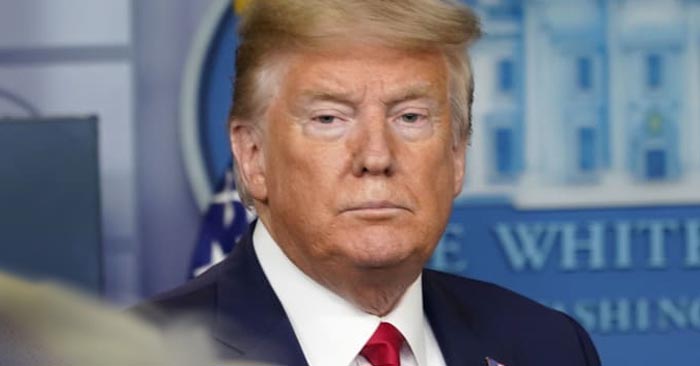
In a bold and controversial move, U.S. President Donald Trump has raised tariffs on Chinese goods to a staggering 104%, marking the highest rate yet in the ongoing trade conflict. The new tariffs took effect early Wednesday and follow a series of recent tariff hikes, including a 10% increase just days earlier. Trump claims the aggressive strategy is aimed at revitalizing domestic manufacturing and increasing revenue from Chinese imports, estimating gains of nearly $2 billion per day. However, economists and industry experts warn that such steep levies could trigger a surge in consumer prices and exacerbate the risk of a recession.
China has fiercely opposed the decision, calling it “U.S. blackmail” and pledging to counter the measures with equal force. The trade war intensified after China responded to Trump’s initial 34% tariff with one of its own, prompting the U.S. president to tack on an additional 50%, pushing total tariffs to 104%. Trump maintains that China is under pressure to negotiate but lacks a clear path forward. Meanwhile, the fallout from the escalating dispute is being felt globally. Canada announced new tariffs on U.S. auto imports, and the European Union called for restraint, citing the potential harm to global economic stability.


Domestically, cracks are showing within Trump’s support base. Tesla CEO Elon Musk, previously an outspoken Trump supporter, lashed out at White House trade advisor Peter Navarro, mocking his understanding of the auto industry. Markets have also reacted with unease—the S&P 500 dropped 1.6% on Tuesday, reflecting investor concerns over rising costs and international instability. While European and Asian markets showed signs of recovery, the long-term impact of this intensified trade war remains uncertain. Despite mounting criticism, Trump remains firm, stating that customized trade agreements with nations like Japan and South Korea are underway to offset tensions with China.