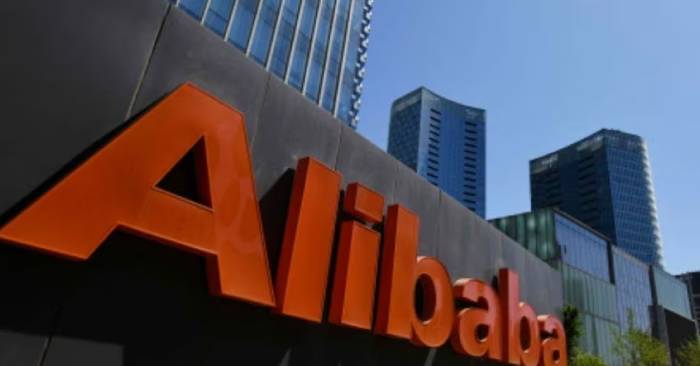
Chinese tech giant Alibaba has introduced a powerful new AI model aimed at challenging OpenAI’s GPT-4, marking a major development in the ongoing race for AI dominance. Developed by Alibaba Cloud, this model boasts superior capabilities in natural language processing (NLP), including text generation, language translation, and conversational AI. The launch signifies China’s continued efforts to establish itself as a global leader in artificial intelligence, particularly as the U.S. imposes tighter restrictions on AI-related exports to Chinese firms.
However, Alibaba’s move has sparked fresh concerns from OpenAI, which has accused certain Chinese firms of attempting to replicate U.S. AI advancements. OpenAI has warned of potential intellectual property theft, emphasizing the difficulties of maintaining a technological edge in a rapidly evolving industry. These allegations reflect the broader geopolitical tensions between the U.S. and China, particularly in the high-stakes battle for AI innovation.


The U.S. government has placed stringent controls on the export of high-performance AI chips and advanced computing technologies to China, citing national security concerns. In response, China has ramped up its domestic AI research, with companies like Alibaba leading the charge to develop independent, cutting-edge solutions. The unveiling of Alibaba’s latest AI model highlights the country’s progress in AI development while also underscoring the widening gap between the two technological superpowers.
As global AI competition intensifies, industry experts warn of potential ethical and regulatory challenges, as well as the risk of AI ecosystem fragmentation. While rapid advancements in AI drive innovation, they also raise concerns about fair competition, global cooperation, and security risks. With Alibaba and other Chinese tech giants pushing forward in AI research, the international AI landscape is set to become even more competitive—and increasingly contentious.