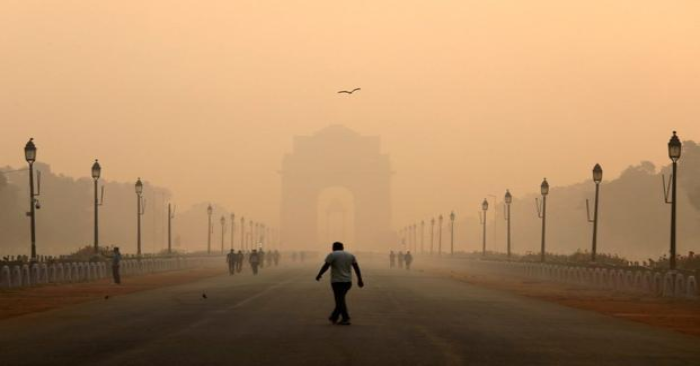
The air quality in Delhi continues to remain in the ‘severe’ category, with an average Air Quality Index (AQI) of 401 recorded on Tuesday morning. Despite light rainfall, pollution levels showed no significant improvement. Areas like Bawana (AQI 455), Rohini (451), and Anand Vihar (442) reported the worst air quality, classified as “severe.” Meanwhile, Shadipur recorded an AQI of 360, categorized as “very poor,” and the IHBAS Dilshad Garden station reported the lowest reading at 222, falling in the “poor” range.
Adding to the discomfort, Delhiites experienced a cold morning, with the minimum temperature dipping to 10.8°C. The India Meteorological Department (IMD) forecasted a generally cloudy day with possible drizzle and issued a yellow alert for dense fog. Maximum and minimum temperatures are expected to hover around 20°C and 8°C, respectively. Visibility in the city remained low due to thick fog, exacerbating the ongoing challenges.


Despite the implementation of Stage IV measures under the Graded Response Action Plan (GRAP) in the National Capital Region (NCR) since December 16, air pollution levels remain alarming. These measures, among the strictest, aim to curb pollution, but the situation has not improved. The Supreme Court has urged states like Uttar Pradesh and Haryana to enforce firecracker bans similar to Delhi’s and ensure strict compliance with GRAP and Solid Waste Management Rules, 2016.
Residents are increasingly reporting health problems, including respiratory issues and eye irritation, as they navigate the hazardous air. The combination of toxic pollution and thick fog has created a severe public health crisis, with calls for more decisive and effective measures to combat Delhi’s persistent air quality woes.