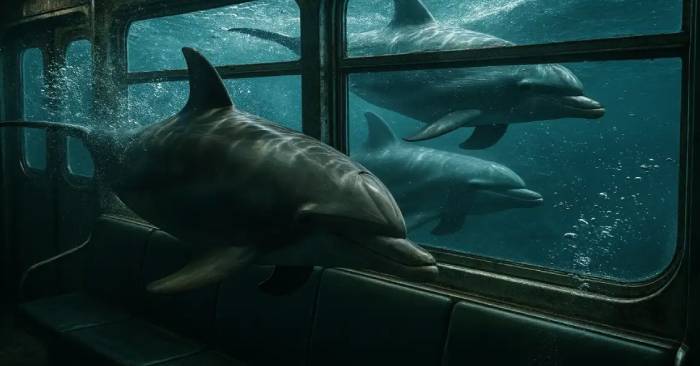
OpenAI has taken a significant step forward in AI-driven creativity by launching a powerful image generation tool within ChatGPT’s GPT-4o. This feature brings enhanced accuracy, improved text rendering, and stronger safeguards to prevent misuse and deepfake threats. CEO Sam Altman, in an announcement on social media, expressed his excitement about the tool’s capabilities, calling it an “incredible technology” that expands creative possibilities while maintaining ethical AI practices.
What Sets OpenAI’s Image Generator Apart?
The new AI image generator in GPT-4o addresses previous limitations of AI-powered art tools. OpenAI outlined several key enhancements that make this tool more user-friendly and precise:


-
Accurate text rendering – The tool now embeds readable and correctly formatted text within images, overcoming a major drawback of earlier AI models.
-
Enhanced object accuracy – The generator can create images with multiple objects (up to 20), ensuring correct proportions and positioning.
-
Improved consistency – Users can make modifications to an image without losing its core design, allowing for seamless iterations.
-
Text-based image editing – Instead of manually adjusting elements, users can refine images through simple text instructions, making customization easier.
These upgrades position OpenAI’s image generator as a powerful tool for businesses, educators, and digital artists, providing better control and precision in AI-generated visuals.
Stronger Safeguards to Prevent Misuse
With AI-generated images gaining popularity, concerns over deepfakes and misinformation have intensified. To tackle these risks, OpenAI has implemented robust safety measures, including:
-
Metadata tagging – Each AI-generated image includes C2PA metadata, identifying it as machine-created.
-
Content verification tool – A built-in system detects AI-generated content by cross-referencing publicly available images.
-
Strict policy enforcement – The AI model blocks violent, explicit, or policy-violating content, ensuring responsible usage.
OpenAI aims to strike a balance between creative freedom and content safety, refining policies based on user feedback and real-world applications.
Challenges and Future Enhancements
Despite its advancements, OpenAI acknowledges that the image generator still has areas for improvement:
-
Non-Latin script rendering issues – The model may struggle with Arabic, Hindi, Chinese, and other non-Latin texts.
-
Cropping inconsistencies – Longer images, such as posters or banners, may not be perfectly cropped.
-
Detail preservation in edits – When modifying complex images, small intricate details may be accidentally altered.
OpenAI is continuously refining these areas, with ongoing research focused on improving facial consistency, detailed rendering, and multilingual text support.
Availability and Expansion Plans
The new image generation feature is currently available to ChatGPT Plus, Pro, Team, and Free users, with Enterprise and Edu customers gaining access soon. OpenAI has also confirmed that API access will be introduced in the coming weeks, allowing developers to integrate the tool into various platforms.
With these advancements, OpenAI continues to redefine AI-powered creativity, ensuring that users have access to high-quality, responsibly developed image generation technology.