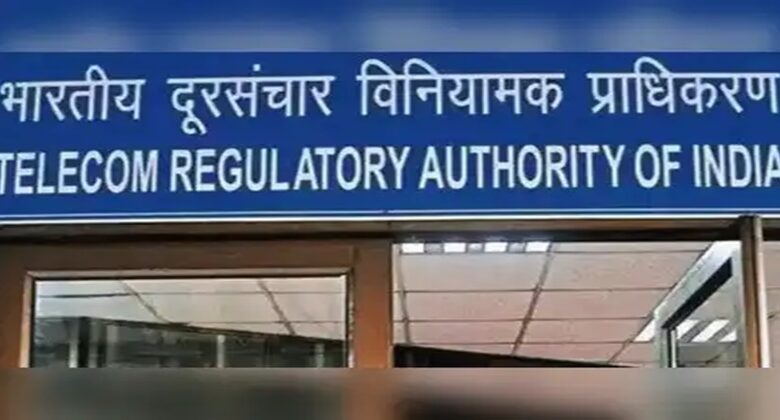
The Telecom Regulatory Authority of India (TRAI) has released its recommendations on “Formulating a Digital Radio Broadcast Policy for Private Radio Broadcasters,” outlining the framework, terms, conditions, and reserve prices for launching digital radio services in India.
The recommendations cover four A+ cities—Delhi, Mumbai, Kolkata, and Chennai—and nine A-category cities, including Hyderabad, Bengaluru, Ahmedabad, Surat, Pune, Jaipur, Lucknow, Kanpur, and Nagpur. The Ministry of Information and Broadcasting (MIB) had requested TRAI’s recommendations in April 2024 under Section 11(1)(a)(i) of the TRAI Act, 1997.

Key Highlights of TRAI Recommendations:
1. Simulcast Mode: New digital radio broadcasters will begin in simulcast mode, allowing one analogue, three digital, and one data channel on the same frequency. Existing analogue FM broadcasters can voluntarily migrate to this mode.
2. Single Technology Standard: A uniform digital radio technology will be adopted for the VHF Band II. The government may select the technology via stakeholder consultations, auctions, or other suitable methods.
3. Frequency Assignment: Frequencies for new channels will be allocated through auctions. Existing broadcasters opting for simulcast migration must pay the difference between the auction-determined price and the proportionate Non-refundable One Time Entry Fee (NOTEF). Broadcasters must commence simulcast operations within two years.
4. Digital Infrastructure: A new authorisation for Radio Broadcasting Infrastructure Providers will allow leasing of active and passive infrastructure to broadcasters. Prasar Bharati will also share its towers and infrastructure at concessional rates.
5. Regulatory Oversight: MIB will form a high-level steering committee with representatives from MIB, MeitY, broadcasters, device manufacturers, and technology providers to monitor the development and proliferation of digital radio receivers.
6. Revenue & Authorisation: The digital radio broadcasting authorisation will be valid for 15 years, with adjusted gross revenue-based fees (4% for A+ and A-category cities; 2% for other regions for the first three years). Broadcasters cannot own more than 40% of the total frequencies in a city.
7. Auction Reserve Prices: TRAI has set reserve prices for spectrum in key cities—for example, Delhi at Rs. 177.63 crore, Mumbai at Rs. 194.08 crore, and Chennai at Rs. 146.68 crore.
Advantages of Digital Radio:
Digital radio broadcasting provides multiple channels on a single frequency, superior audio quality, and opportunities for value-added services. It also allows broadcasters to stream their channels concurrently, expanding listening options and enhancing the overall listener experience. The recommendations aim to modernise India’s radio landscape, offering broadcasters new revenue streams and listeners enhanced audio quality and multiple choices.