Christmas is a global celebration that brings together people of all cultures and backgrounds, filled with joy, traditions, and a sense of togetherness. Whether it’s about attending church services, exchanging gifts, or simply enjoying festive meals with loved ones, the essence of Christmas lies in spreading love and goodwill. But have you ever wondered about the origins of this holiday and why we celebrate it on December 25? Here’s everything you need to know about this cherished festival.
What Is Christmas?
Christmas is an annual holiday commemorating the birth of Jesus Christ, the central figure of Christianity. While it is a deeply sacred religious observance for Christians, Christmas has also evolved into a cultural celebration enjoyed by people worldwide, regardless of their faith.


The holiday is marked by traditions such as decorating homes, exchanging gifts, singing carols, and enjoying festive meals. It’s a time to reflect on themes of hope, peace, and kindness.
Why Is Christmas Celebrated on December 25?
Interestingly, the Bible does not specify the exact date of Jesus’s birth. The decision to celebrate Christmas on December 25 was made centuries after his life. Historical records suggest that in the 4th century, Pope Julius I chose this date to coincide with existing pagan winter solstice festivals, which celebrated light and rebirth during the darkest time of the year.
By aligning Christmas with these solstice celebrations, early Christian leaders aimed to adopt and transform existing traditions into a Christian context, giving the holiday its spiritual significance while retaining elements of festivity.
Why Is It Called Christmas?
The name “Christmas” comes from the Old English phrase Cristes Maesse, meaning “Christ’s Mass.” This term originated from the tradition of holding a special mass to honor the birth of Jesus. Over time, the name evolved into the word we use today.
How Did Christmas Traditions Begin?
Christmas traditions have developed over centuries, drawing inspiration from various cultures and regions:
Decorating Evergreen Trees: The practice of decorating trees originated in Germany in the 16th century and spread globally as a symbol of life and hope during winter.
Gift Giving: This tradition is often linked to the story of the three wise men who brought gifts to baby Jesus.
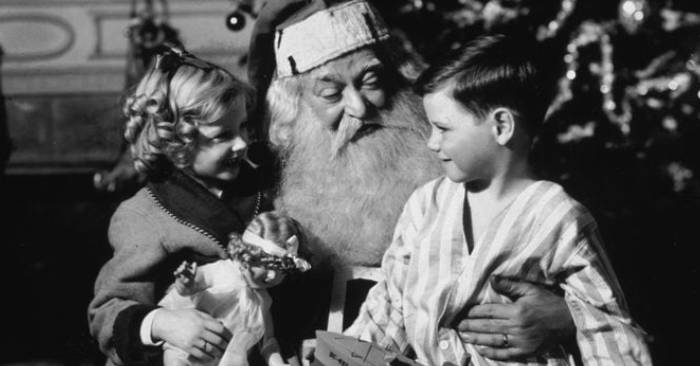
Santa Claus: The modern image of Santa Claus is inspired by Saint Nicholas, a 4th-century bishop known for his generosity, and was popularized through various cultural adaptations.
Modern Celebrations Around the World
Today, Christmas is celebrated in countless ways:
In Europe, markets, nativity plays, and traditional feasts like roasted meats and puddings are central to the festivities.
In Asia, Christmas is celebrated with unique local flavors, blending traditional customs with Western influences.
In Latin America, vibrant parades and family gatherings take center stage.
In Africa, communities celebrate with music, dance, and elaborate feasts, often incorporating local traditions.
Despite regional differences, the underlying theme of goodwill and unity remains universal.
Popular Christmas Traditions
Decorating Homes and Trees: From lights to ornaments, decorating spaces creates a warm and festive atmosphere.
Exchanging Gifts: Gift-giving symbolizes love and appreciation among family and friends.
Singing Carols: Christmas songs bring people together and spread joy.
Festive Meals: Christmas feasts often feature traditional dishes like roasted turkey, honey-glazed ham, or festive sweets like cookies and cakes.
Spending Time with Loved Ones: At its core, Christmas is about cherishing moments with family and friends.
The Spirit of Christmas
Christmas transcends its religious origins to become a season of joy, compassion, and togetherness. It reminds us to be kind to others, lend a helping hand to those in need, and appreciate the blessings in our lives.
As you prepare for the season—whether by decorating, preparing meals, or simply reflecting on the year—remember that the true essence of Christmas is about love, generosity, and hope for the future.