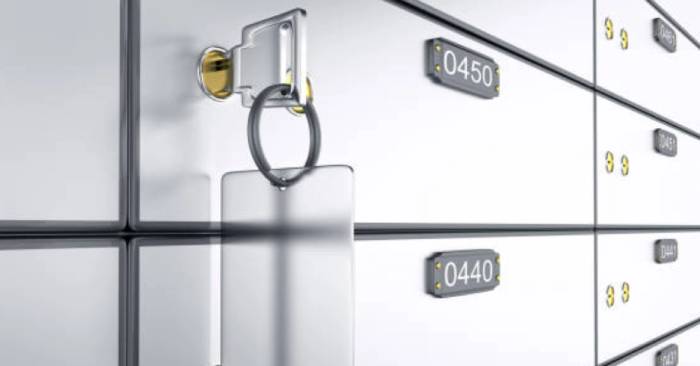
The RBI’s updated bank locker regulations have introduced new procedures for renewing locker agreements. Account holders who signed their agreements on or before December 31, 2023, must submit a revised agreement to their respective banks by the same deadline.
Bank lockers are essential for securely storing valuable items like jewelry and important documents. To ensure the safety of your belongings, banks have implemented enhanced security measures. This guide will help you choose the right bank for your locker, understand the list of allowed items, navigate locker agreements, and more.


Bank Locker Updated Rules
Under the new RBI regulations, account holders with locker agreements dated on or before December 31, 2023, must renew these agreements by signing a revised version and submitting it to their bank.
How To Choose the Right Bank
When selecting a bank for your locker, prioritize institutions known for reliable services, proximity to your home, and where you already hold an account.
List of Items Allowed in Bank Lockers
According to the updated agreement, you can store valuables such as jewelry and important documents in your bank locker. Common items include jewelry, loan documents, real estate papers, birth or marriage certificates, insurance policies, and savings bonds.
Bank Prerequisites
Most banks require customers to open a current or savings account before availing a locker. Additionally, a current passport-sized photo and proof of identity and address, such as a PAN or Aadhaar card, are required.
Locker Agreement
Banks provide a locker agreement outlining the terms and conditions of use. This legally binding agreement must be signed by both the bank and the customer.
Locker Allocation
Lockers are assigned based on availability, and there may be a waiting period. Once allocated, the customer receives a unique key while the bank retains a master key.
Refundable Security Deposit
Banks usually require a refundable security deposit, which can be paid in cash or as a fixed deposit.
Additional Service Charges
The cost of renting a locker depends on its size and the branch location. Frequent use of the locker beyond the permitted limit may incur additional service fees.
Key Points
While bank lockers offer a secure storage solution, they are not completely risk-free. Insuring high-value items is recommended, as banks typically do not take responsibility for the contents.
In the event of the account holder’s death, it’s advisable to nominate a family member who can access the locker.