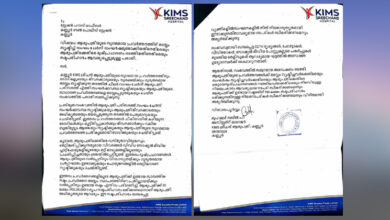
In the wake of the recent terror attack in Pahalgam, India has taken a significant diplomatic step by officially suspending the Indus Waters Treaty and notifying Pakistan of this decision. The Ministry of Jal Shakti in India has formally communicated this move to the Pakistani Ministry of Water Resources through an official letter.
This bold measure comes as part of a series of escalations following the attack, where India is tightening its stance against Pakistan. In response, Pakistan has expressed strong objections, claiming that such a move could be considered an act of war. The country has warned of serious consequences, including the possibility of sealing the Attari border, imposing travel bans on Pakistani citizens, and reducing diplomatic engagements with India.


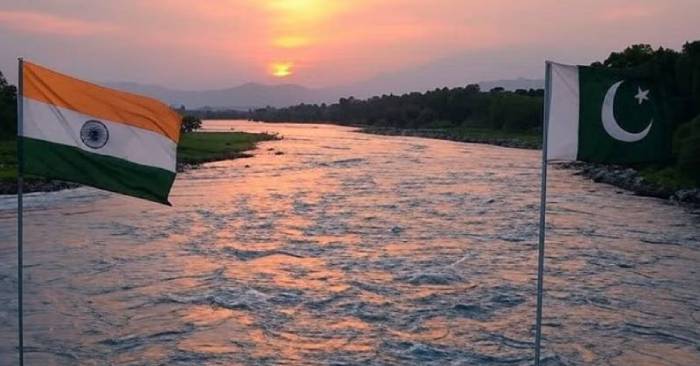
Alongside these steps, the suspension of the Indus Waters Treaty marks a potential turning point in Indo-Pak relations. Experts warn that India’s decision to halt the treaty could bring about a severe water crisis in Pakistan, especially affecting its eastern provinces that heavily rely on water from the Indus River system.
If the suspension remains in effect for an extended period, Pakistan may face acute water shortages, which could significantly disrupt agriculture, drinking water supply, and overall resource management. The move is seen as both a strategic and symbolic response to escalating cross-border tensions.