A recent incident involving an Assistant Professor from Sacred Heart College in Kerala, who collapsed and died from cardiac arrest during an Onam tug-of-war competition, highlights a concerning trend: young, seemingly healthy individuals experiencing sudden cardiac deaths. Similar cases have occurred in other settings, such as a gym in Kochi and among notable figures like actors Daniel Balaji and Puneeth Rajkumar, among others. Dr. Jose Chacko Periyapuram, a cardiac surgeon at Lisie Hospital in Kochi, sheds light on various factors contributing to these alarming occurrences.
Dr. Periyapuram identifies several key conditions that may lead to sudden cardiac arrest in younger individuals:


Hormonal Imbalance: Engaging in intense physical activities or workouts can cause a spike in adrenaline and other hormones, leading to cardiac arrhythmia. This irregular heartbeat can be fatal if not addressed immediately with proper CPR. Effective CPR can save lives if administered correctly.
Silent Killers: Dilated Cardiomyopathy (DCM), a condition often resulting from severe viral infections like COVID-19, can lead to heart failure. This condition enlarges the heart, impairing its ability to pump blood effectively and causing sudden cardiac arrest, particularly during strenuous activities.
Mental Stress: While stress alone rarely causes death in healthy individuals, those with pre-existing heart conditions or blocked arteries are at increased risk. Severe stress can lead to sudden cardiac events in these vulnerable individuals.
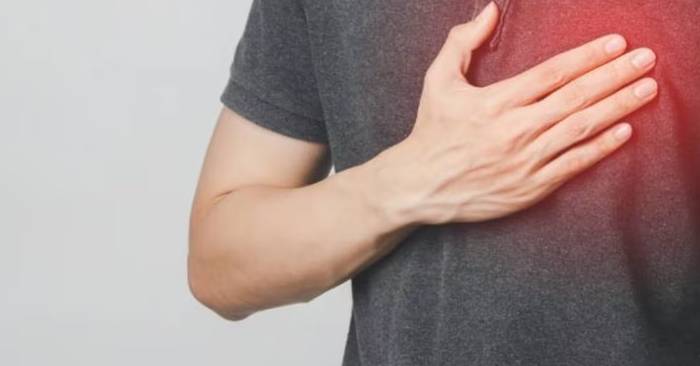
Ignoring Warnings: The body often gives subtle warnings before a cardiac arrest, such as severe chest pain, breathlessness, and fatigue. Ignoring these signs can be dangerous. Timely medical consultation and treatment are crucial for preventing sudden cardiac arrests.
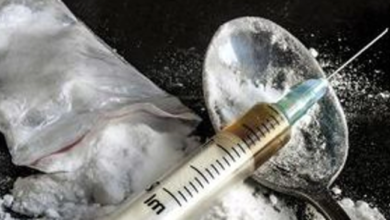
Drugs and Steroids: Abuse of drugs and steroids, particularly among bodybuilders, can damage the heart and lead to uneven heartbeats, increasing the risk of cardiac arrest.
Post-COVID Heart Conditions: COVID-19 can cause long-term damage to the heart muscles and lungs. Those recovering from the virus should avoid intense physical activities without first undergoing thorough medical evaluations.
Dr. Periyapuram advises that individuals consult with a cardiologist before starting intense physical activities or new workout regimens. Comprehensive health checks can detect potential issues like high blood pressure or thickened heart muscles, enabling preventative measures to be taken.