
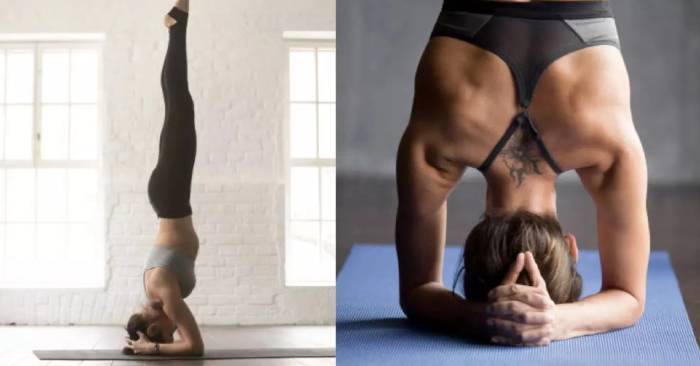
While headstands offer various health benefits like increased strength and stress relief, prolonged practice without safety measures can lead to neck strain, dizziness, and other issues. Learn how to practice headstands safely and what to avoid.
Headstands are a popular yet advanced yoga posture known for their numerous health benefits, including improved mental clarity, stress reduction, and upper body strength. However, experts warn that holding this inversion for too long can place excessive pressure on the neck, cause dizziness, and lead to muscle fatigue. Beginners should aim to hold headstands for 10-15 seconds initially, gradually working up to one or two minutes with consistent practice. Over time, you’ll build the strength and stability needed to maintain the posture comfortably without risking strain.


Avoid forcing yourself to stay in a headstand if you feel discomfort in your arms, back, or neck. For those new to headstands, strengthening the neck with resistance exercises like pressing your forehead against your palms or using a resistance band can help improve stability. Practicing against a wall also provides physical and emotional support.
Certain groups should avoid headstands altogether or only attempt them under expert supervision, especially those with neck, shoulder, or blood pressure issues, eye conditions, heart disease, or osteoporosis. Pregnant women and menstruating individuals should avoid headstands as well, as it may interfere with natural bodily processes.