Mushrooms, often dubbed the “steak of the plant world,” have long sparked debates about their classification—are they vegetarian or non-vegetarian? To understand this, we must first recognize that mushrooms belong to the fungi kingdom, a unique category distinct from both plants and animals. Unlike plants, they lack chlorophyll and don’t rely on photosynthesis. Instead, they thrive by decomposing organic matter, transforming decay into culinary delight.
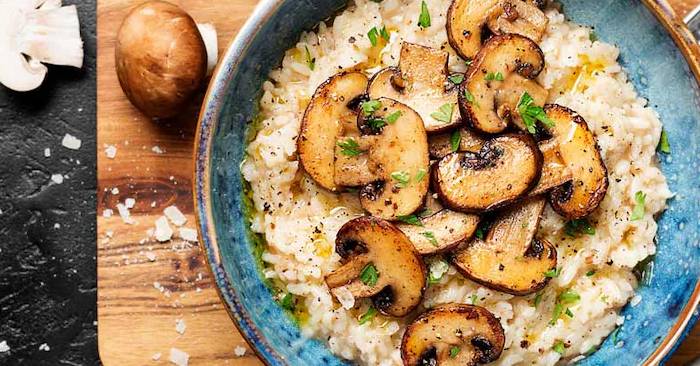
In the kitchen, mushrooms are celebrated for their umami-rich flavor and meaty texture, making them a favorite in vegetarian and vegan diets. Varieties like portobello mushrooms are often grilled as burger patties, while shiitake mushrooms are prized in Asian cuisine for their taste and nutritional benefits, including high fiber, B vitamins, and minerals.


Biologically, mushrooms are fungi, not plants or animals. However, in culinary terms, they are widely accepted as vegetarian due to their plant-like characteristics and absence of animal origins. Their ability to mimic meat textures and absorb flavors has cemented their place in vegetarian cooking.
Cultural perspectives add nuance to the debate. In some traditions, mushrooms are avoided due to their association with decay, while in others, like Buddhist monastic diets, they are embraced. Historical accounts even suggest that the Buddha’s last meal may have included mushrooms or truffles.
So, are mushrooms vegetarian? While they belong to the fungi kingdom, their culinary versatility and lack of animal traits make them a beloved ingredient in vegetarian cuisine. Whether enjoyed in a portobello burger or a shiitake ramen bowl, mushrooms offer a unique, earthy experience that bridges the gap between plant and meat.