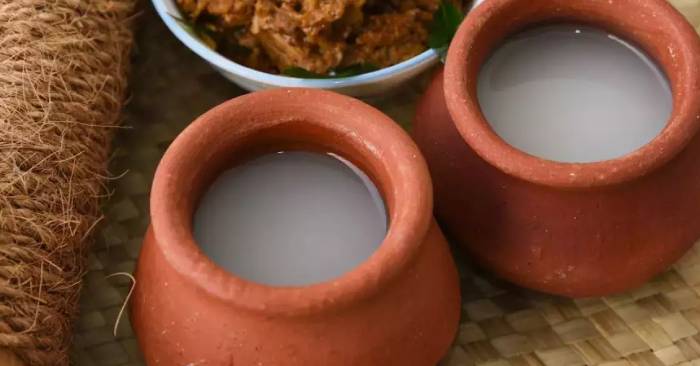
In a landmark move, the Kerala Toddy Board has approved the sale of bottled toddy, making this iconic palm-fermented beverage more accessible to consumers. Traditionally, fresh toddy has a limited shelf life of just three days before excessive fermentation alters its taste and quality. However, an innovative preservation technique developed at the KINFRA Biotechnology Incubation Centre in Kalamassery has extended its shelf life to nearly a year without compromising its natural flavor and alcohol content.
Bottled toddy, packaged in beer-style bottles, is expected to bring a fresh, premium appeal to one of India’s oldest indigenous alcoholic drinks. The initiative has received strong backing from Toddy Board Chairman UP Joseph and CEO G Anilkumar, who have already reviewed and approved the prototype. This development could significantly boost Kerala’s toddy industry, creating new employment opportunities and expanding its market reach. Additionally, it reflects a growing trend in India where local alcoholic beverages like Mahua are gaining commercial traction.


What Is Toddy?
Toddy is an alcoholic beverage derived from the fermented sap of palm trees, commonly consumed in South India. The word “toddy” originates from the Hindi term Tari, referring to the sweet sap extracted from palmyra palms. Historical records, including those by ancient Greek ambassador Megasthenes (350 B.C.) and European travelers such as Jean-Baptiste Tavernier (1676), highlight its longstanding presence in Indian culture.
Over time, toddy has played a crucial role in Kerala’s social and economic landscape. While colonial administrations imposed excise duties on its trade, the drink remained a staple in traditional communities, particularly among the Thiya caste. The tapping process involves cutting and tapping the unopened flower buds of coconut trees, collecting the sap, and allowing natural fermentation. Besides being a drink, toddy is used in producing palm jaggery, vinegar, and arrack. Despite occasional controversies over its consumption, toddy remains an integral part of Kerala’s heritage.
Can You Make Toddy at Home?
Yes, but with caution. Improper fermentation can lead to health risks, making it crucial to follow safe preparation methods. Here’s a simple recipe for homemade coconut toddy:
Homemade Toddy Recipe
Ingredients:
500 ml coconut water (or tender coconut water)
2 tbsp sugar
½ tsp yeast
½ cup lukewarm water
Method:
In a small bowl, mix lukewarm water, yeast, and sugar. Stir well, cover, and let it sit for 10 minutes until frothy.
Pour the coconut water into a clean, dry glass jar.
Add the yeast mixture to the coconut water and stir gently.
Cover the jar with a muslin cloth and leave it in a warm place for 24 hours to ferment.
After 24 hours, strain the toddy through a fine sieve.
Your homemade coconut toddy is ready! Enjoy it as a beverage or use it in traditional recipes like appam and sannas.
With the Kerala government’s backing, bottled toddy is set to revolutionize the industry, offering a more convenient way for consumers to enjoy this traditional drink while preserving its rich legacy.