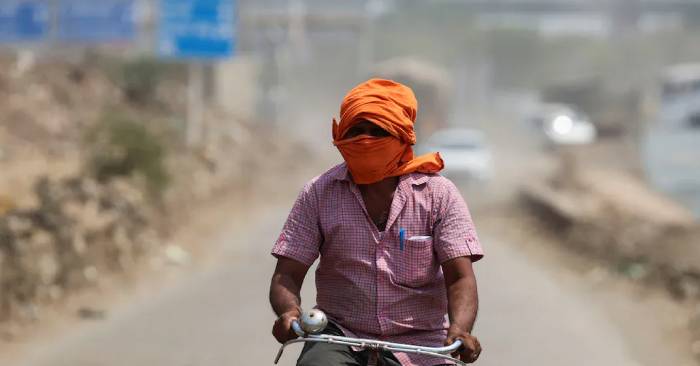
With temperatures steadily rising, the intense heat of mid-February is already impacting daily life, increasing the risks of sunstroke, dehydration, and skin-related issues. While the Labour and Skills Department has adjusted outdoor working hours for laborers in extreme heat until May 10, the elderly remain particularly vulnerable to these conditions. Older adults need to take extra precautions to protect themselves from the harsh summer weather and avoid potential health complications.
Why Are Seniors More Vulnerable to Heat?
As people age, their bodies become less efficient at regulating temperature, making them more prone to heat-related illnesses. Dehydration, heat exhaustion, and fatigue can set in quickly if proper precautions are not taken. Additionally, pre-existing health conditions such as diabetes, hypertension, and cardiovascular issues can worsen due to extreme heat.


Essential Precautions for Seniors During Hot Weather
Here are some important steps elderly individuals can take to stay safe and healthy as temperatures rise:
1. Stay Hydrated
Drink at least 2.5 liters of fluids daily, including water, herbal teas, and buttermilk.
Consume hydrating foods like yoghurt, porridge, and lemon water with a pinch of salt.
Avoid consuming too many fluids late in the evening (after 6:00 pm) to prevent frequent nighttime urination.
If you have a medical condition that requires fluid restrictions, consult your doctor for guidance.
2. Get Safe Sunlight Exposure
Vitamin D is essential for bone health, but exposure should be limited to the early morning (before 8:00 am) or late afternoon (after 4:30 pm) to avoid excessive heat and UV radiation.
Prolonged sun exposure during peak hours should be avoided to prevent sunburn and heat-related illnesses.
3. Protect Yourself from Direct Sunlight
Avoid going outdoors during peak heat hours.
Use an umbrella, wide-brimmed hat, or light-colored clothing when stepping outside.
Those using two-wheelers should cover their hands and face to prevent sunburn and skin damage.
4. Maintain a Healthy Diet
Include water-rich fruits such as watermelon, oranges, and cucumbers in your diet to help maintain hydration levels.
The heat may reduce appetite, so opt for smaller, nutrient-rich meals throughout the day.
Avoid heavy, spicy, or oily foods, as they can increase body heat and discomfort.
5. Medication and Storage Care
Continue taking prescribed medications for conditions such as diabetes, hypertension, or heart disease.
Store medicines in a cool, dry place to maintain their potency.
Medications requiring refrigeration should be kept in the fridge door rather than the colder back sections to avoid freezing.
6. Exercise Safely
Physical activity is important, but seniors should schedule exercise sessions before 8:00 am or after 4:30 pm to prevent overheating.
Light stretching, yoga, or indoor exercises are good alternatives to avoid direct sun exposure.
Skin Care Tips for the Elderly
The harsh summer heat can cause skin irritation, rashes, and dryness in older adults. To keep skin healthy and protected:
Wear loose, breathable cotton clothing to allow proper air circulation.
Take oil baths regularly to nourish and moisturize the skin.
Limit soap use to specific areas like the face, armpits, and thighs to avoid excessive dryness.
Cleanse the skin gently with a soft cloth or sponge to prevent irritation and skin damage.
Final Thoughts
Rising temperatures can pose serious health risks, especially for the elderly. By staying hydrated, avoiding direct sunlight, following a nutritious diet, and taking proper skin care measures, seniors can stay safe and comfortable during the summer months. Families and caregivers should also remain vigilant, ensuring that older adults are well-protected from extreme heat.