
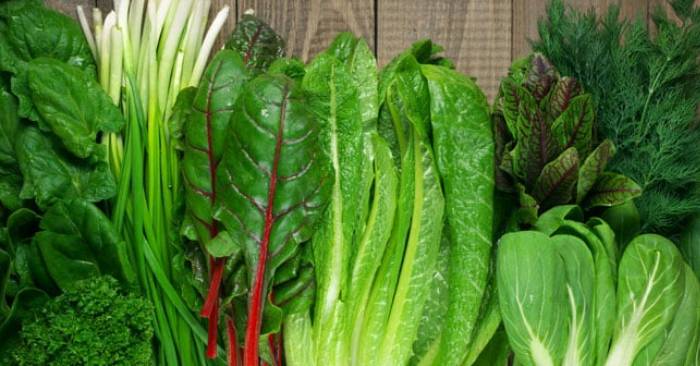
Leafy greens are often hailed as a nutritious and healthy choice, frequently featured in salads and smoothies. However, Ayurvedic doctor Varalakshmi Yanamandra suggests that consuming these greens raw might not always be the best choice for your health.
According to Dr. Yanamandra, leafy greens are particularly vulnerable to pests, which leads plants to produce protective chemicals known as phytotoxins. These toxins are more concentrated in leaves than in other plant parts. Here’s why you should consider cooking your leafy greens:


Spinach: Rich in iron but also high in oxalates, which can bind to calcium and affect its absorption, potentially leading to kidney stones. Cooking spinach helps reduce its oxalate content.
Kale: Contains goitrogens that may interfere with thyroid function. Lightly steaming kale deactivates these compounds.
Rhubarb: High in oxalic acid, which can cause kidney stones. Cooking the stalks and discarding the leaves is recommended.
Swiss Chard: Like spinach, it contains oxalates that can hinder calcium absorption. Boiling Swiss chard can mitigate this issue.
Sorrel: Also rich in oxalates, which can impact mineral absorption and lead to kidney issues. It’s advisable to limit raw consumption.
Methi (Fenugreek): Contains saponins that can irritate the stomach if consumed raw in large quantities. Soaking or cooking methi is recommended.
Moringa: Contains phytates that inhibit mineral absorption. Cooking or fermenting moringa reduces these effects.
Dr. Yanamandra emphasizes that while leafy greens are nutritious, cooking them can help reduce their phytotoxin levels and make them more beneficial for your health.