
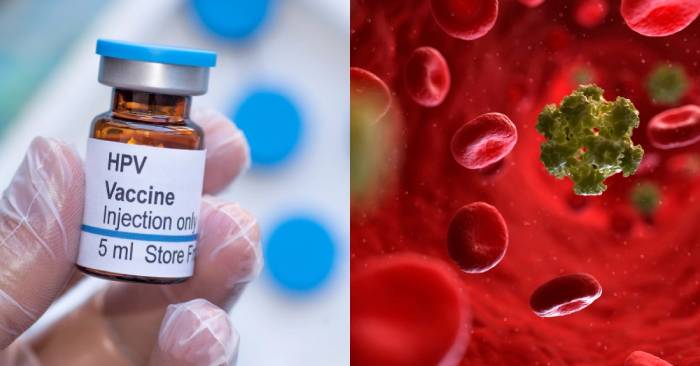
Human papillomavirus (HPV) is a widespread virus that poses serious health risks, especially regarding cancer. With over 100 different strains, around 30 affect the genital area, causing infections in the vulva, vagina, cervix, penis, and anus. HPV is primarily transmitted through intimate skin-to-skin contact, including vaginal, anal, and oral sex. Dr. Sonam Gupta, Senior Consultant and Head of Obs & Gynae at Asian Hospital, points out that approximately 6.6% of women in the general population carry cervical HPV infection, with types 16 and 18 being the most cancer-causing strains, particularly in India. Early sexual activity and multiple partners increase the risk of contracting high-risk strains.
HPV is the leading cause of cervical cancer, responsible for over 70% of cases, says Dr. Mohit Saxena, HOD of Medical Oncology at Manipal Hospital. The virus also increases the likelihood of other cancers, including oral, anal, and penile cancers. Symptoms are often absent, but genital warts may appear, signaling an HPV infection. Since high-risk HPV strains often remain asymptomatic until cancer develops, regular screenings, such as Pap and HPV tests, are essential for early detection.


Prevention primarily relies on vaccination, with Dr. Saxena emphasizing that vaccines can prevent over 90% of HPV-related cancers. The vaccine is best administered to preteens but can still offer benefits up to the age of 26. Condoms provide some protection but are not entirely effective. While there is no cure for HPV, treatments can manage associated symptoms, such as genital warts and precancerous cell changes.
Untreated HPV infections can persist, leading to severe health issues, including cancer. Although HPV affects both men and women, its consequences are more significant for women, particularly concerning cervical cancer. Regular screenings and early intervention remain crucial in preventing long-term health impacts caused by the virus.