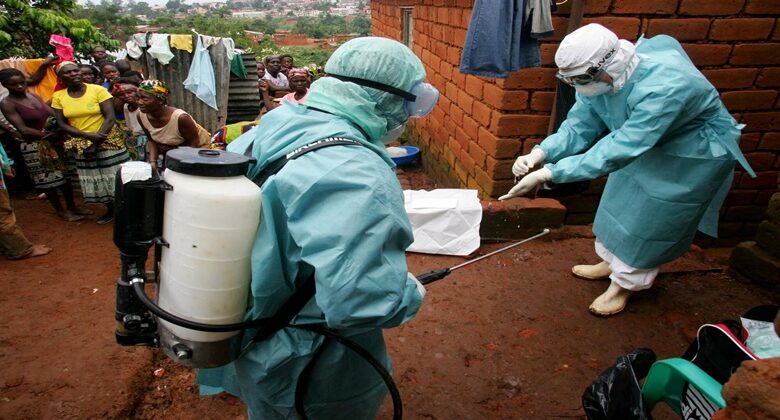
Three people have died, and another three suspected fatalities are under investigation after Ethiopia confirmed its first-ever outbreak of Marburg virus. At least nine cases of the highly contagious and often deadly haemorrhagic disease have been recorded, with 129 people currently under monitoring.
The announcement by Ethiopia’s health ministry today follows the World Health Organisation’s (WHO) confirmation of the outbreak in the Southern Ethiopia Region. Experts and resources are being rushed to the region to assess the outbreak and contain it before it spirals out of control.


Scientists have warned that the outbreak’s proximity to the borders with Kenya and South Sudan raises fears that, if not contained, it could spread rapidly. The outbreak has also raised concerns about the rising frequency of Marburg epidemics worldwide and the potential for further outbreaks. In the last two years, both Rwanda and Tanzania recorded cases, with the latest deaths in Ethiopia raising fears of a wider geographical spread and high fatality rates.
Marburg virus disease causes haemorrhagic fever in humans, with an average fatality rate of around 50 per cent. However, past outbreaks have seen rates ranging from 24 to 88 per cent, depending on the virus strain and the quality of medical care. It is closely related to Ebola and is typically spread by bats, which provide a natural reservoir for the virus.
The virus spreads between humans through direct contact with bodily fluids such as blood, saliva, and mucus. Early symptoms can resemble more common illnesses, including malaria, so doctors and nurses may not immediately recognise the threat.
There is currently no licensed vaccine or specific antiviral treatment for Marburg, making outbreak control heavily reliant on early detection and strict infection prevention. Patients who receive prompt medical attention, including rehydration and treatment for specific symptoms, have better chances of survival.
Several experimental vaccines for Marburg are currently in development, including cAd3‑Marburg, ChAdOx1 Marburg, and rVSV‑MARV, though none are yet available for public use. Without a vaccine, frontline healthcare workers face direct and significant risk of infection.
Marburg was first recognised in 1967, when outbreaks of haemorrhagic fever occurred simultaneously in laboratories in Marburg and Frankfurt, Germany and in Belgrade, Yugoslavia (now Serbia).