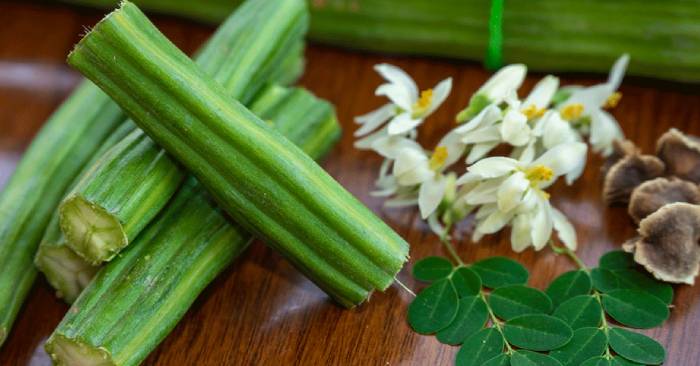
Often referred to as the “miracle tree,” the moringa plant is known for its rich nutritional profile—and this includes its delicate flowers. Moringa flowers are packed with essential vitamins and nutrients, making them a beneficial and budget-friendly addition to meals for people of all ages. However, as with any natural remedy or food, it’s important to prepare and consume them correctly to avoid unwanted side effects.
In many South Indian households, moringa flowers are easy to find, often growing in backyard gardens or neighborhood trees. They have been traditionally used in South Asian medicine to help combat inflammation and infections, as highlighted by the Food and Science Journal.


Before cooking, it is essential to clean the flowers thoroughly. First, inspect for insects and discard any damaged blossoms. Then, rinse them gently in cool water and allow them to sit briefly before rinsing again. Dry them on a clean towel before use.
For safe consumption, cook moringa flowers by lightly steaming, stir-frying, or sautéing them. Do not consume them raw, and avoid eating them more than twice a week. Always introduce them in small quantities to check your body’s reaction. Avoid eating on an empty stomach or during menstruation if you feel physically weak. Also, steer clear if you are pregnant, allergic, or on medications for thyroid, diabetes, or blood pressure—consult your doctor first.
Moringa is a wonderful superfood when consumed wisely. Stay hydrated and mindful, and this simple flower can offer great nourishment without side effects.