
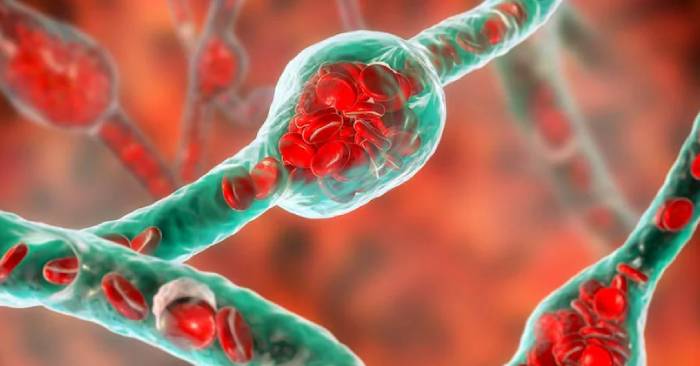
Brain haemorrhage, or bleeding in the brain, is a medical emergency that demands immediate attention. One of the most common causes is uncontrolled high blood pressure, often triggered or worsened by chronic stress and anxiety. When blood pressure spikes to dangerous levels, it can rupture delicate blood vessels in the brain, leading to internal bleeding. The condition is life-threatening—about 30 to 40 percent of patients may die instantly, while another 30 percent fall into a coma. The remaining can only be saved if they receive timely medical intervention.
Typical warning signs of a brain haemorrhage include sudden numbness or weakness in the limbs, loss of consciousness, and speech difficulties. Such symptoms may also resemble those of a stroke. A CT scan is vital in determining whether the episode is due to a blockage or a brain bleed.


Aside from high blood pressure, other causes of brain haemorrhage include vascular abnormalities, genetic conditions such as haemophilia, low platelet count, and liver diseases that impair blood clotting. Newborns may also be at risk due to underdeveloped blood vessels. People on blood-thinning medications should be cautious, especially if they experience sudden, intense headaches. Notably, Asians may have a higher risk due to sodium-rich diets contributing to elevated blood pressure.
Managing stress and consistently monitoring blood pressure, alongside taking prescribed medication, can significantly lower the risk of a brain haemorrhage.