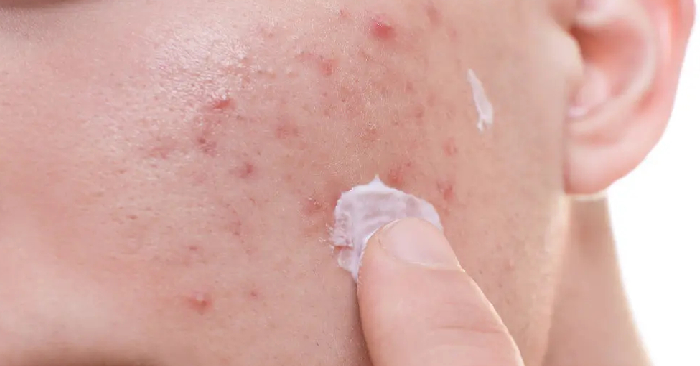
Pimples are often seen as an unwelcome cosmetic issue, but according to Traditional Chinese Medicine (TCM), they might also offer insights into underlying health problems. A technique called Mian Xiang, practised for over 3,000 years in China, suggests that facial breakouts are linked to various internal health concerns. Though not universally accepted in modern medicine, Mian Xiang is believed to provide clues to potential health issues based on where pimples appear on the face.
Forehead Pimples: Breakouts on the forehead may indicate problems with digestion. TCM associates these with conditions like irritable bowel syndrome or a diet high in unhealthy foods. Stress and poor sleep habits can also contribute to pimples in this area.

Temple Pimples: Pimples appearing on the temples, the area between the forehead and ears, are thought to be linked to kidney and bladder infections.
Pimples Between Eyebrows: Pimples between the eyebrows may point to liver stress, often caused by excessive alcohol consumption, fatty foods, or toxin buildup in the body.
Under-Eye Pimples: Breakouts beneath the eyes, alongside puffiness or dark spots, can be signs of dehydration or stress.
Nose Pimples: Pimples on the nose may indicate blood pressure or cholesterol issues, with the left side linked to the left side of the heart and the right side to the right side.
Cheek Pimples: Breakouts on the cheeks are believed to be connected to stomach, spleen, and lung health. Stomach infections or respiratory issues like sinus infections could be contributing factors.
Chin Pimples: Pimples on the chin are often associated with hormonal changes, especially during menstruation, and may also suggest issues with the reproductive system.
While these interpretations from TCM offer interesting perspectives, it’s important to consult a healthcare professional to properly diagnose and treat the root cause of acne or breakouts.