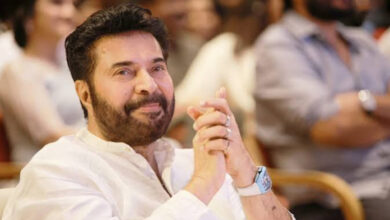
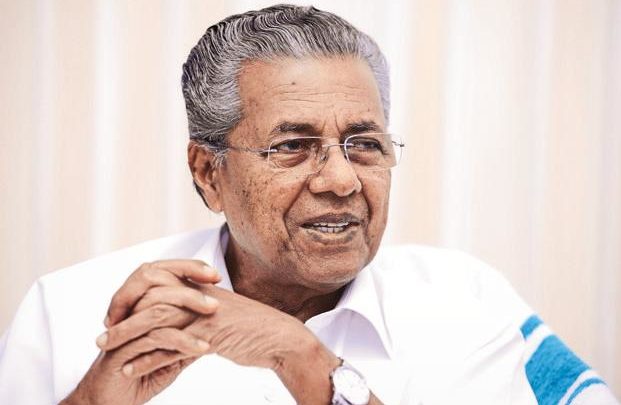
Thiruvananthapuram/Thrissur: Kerala Chief Minister Pinarayi Vijayan has assured that the introduction of private universities in the state will not be driven solely by commercial interests. Speaking at a party event in Thrissur, he emphasized that the student community’s welfare would remain a top priority.
Vijayan pointed out that Kerala has often been criticized for not allowing private universities, despite their presence in other states. To address this concern, the state government decided to permit private universities while ensuring safeguards to maintain social justice and prevent profit-driven exploitation in the education sector. The Kerala Cabinet has approved a draft bill, which proposes student-friendly regulations, including reservations for local and marginalized students and a reasonable fee structure.


Political Debate Over the Bill
Despite these assurances, the United Democratic Front (UDF) has strongly opposed the bill, using it as an opportunity to criticize the Left Democratic Front (LDF) government. However, Vijayan dismissed these criticisms, stating that the LDF’s policies always prioritize the greater good of society.
He further took a dig at the UDF, accusing them of previously attempting to shut down state-run schools under the pretext of them being “unprofitable.” This, he claimed, led to large-scale migration of students to aided and unaided institutions before the LDF’s interventions revived public schools with smart classrooms and improved academic quality. As a result, Vijayan asserted that many students have since returned to state-run institutions.
Higher Education Minister’s Perspective
State Higher Education Minister R Bindu also defended the private university bill, highlighting that the reforms were essential to keep up with evolving educational standards. Speaking to the media in Thiruvananthapuram, she clarified that only 20% of higher education institutions in Kerala are government-run, while the majority operate as aided or unaided institutions. Therefore, allowing private universities would complement the existing system without drastically altering the educational landscape.
She also assured that 40% of the seats in private universities would be reserved for students from Kerala, ensuring accessibility and inclusivity. Addressing concerns regarding opposition within the CPI(M)’s ally CPI, she stated that there were no objections, only constructive suggestions, which were incorporated before finalizing the Kerala State Private Universities (Establishment and Regulation) Draft Bill, 2025.
Regulations and Oversight in the Bill
The approved draft bill outlines strict criteria for establishing private universities, allowing only reputed organizations with prior experience in education to apply. Additionally, these institutions must adhere to University Grants Commission (UGC) and state government regulations concerning faculty recruitment, vice-chancellor selection, and governance structures.
Private universities will function with the same legal rights as public universities but will not receive financial assistance from the state government. However, they may apply for research grants. To ensure proper regulation and accountability, the Higher Education Secretary and another government-nominated official will be part of the university’s governing bodies. Furthermore, the state government will have representation on the university’s executive and academic councils.
In another significant move, the Kerala Cabinet has also approved amendments to university laws, specifically removing provisions that previously allowed universities to establish study centers outside the state and abroad.
With these developments, the LDF government is positioning the private university bill as a progressive step toward expanding higher education opportunities while ensuring that quality, affordability, and social justice remain at the core of the state’s educational policies.