
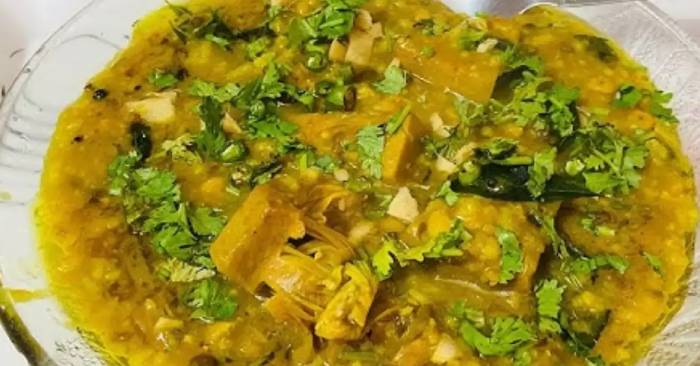
Ramadan is synonymous with delicious and hearty meals, and haleem is one such dish that holds a special place in iftar spreads. Traditionally made with meat, this iconic dish is now being reinvented for vegetarians who want to savor its rich, comforting flavors. If you’ve ever felt left out of the haleem experience, kathal ka haleem (jackfruit haleem) is the perfect alternative. This vegetarian version retains the dish’s traditional consistency and depth of flavor while offering a unique, plant-based twist.
Every year during Ramadan, bustling food markets in places like Jama Masjid in Delhi and Mohammad Ali Road in Mumbai are filled with food lovers seeking authentic haleem. But now, you don’t have to miss out on the experience just because you prefer vegetarian options. With the right blend of spices and jackfruit, this hearty dish brings together the essence of Middle Eastern cuisine with a nutritious twist.


What is Haleem?
Haleem is a slow-cooked stew known for its thick consistency, aromatic spices, and deep flavors. Originating centuries ago, haleem was once a staple food for warriors due to its high-energy content and easy preparation. Over time, it evolved as it spread across regions, incorporating local ingredients and cooking techniques.
The History of Haleem
Haleem, also known as Harees in some parts of the world, is believed to have originated in the Arabian Peninsula. Historical records trace it back to the 7th century, where it was originally prepared using wheat, meat, and salt. As Islamic culture expanded through trade and conquest, haleem found its way into Persia, the Indian subcontinent, and other parts of the Middle East. Interestingly, the word ‘Hilm’, meaning patience in Arabic, is believed to be the root of its name, as traditional haleem requires long hours of slow cooking.
Vegetarian Haleem Variations
Over time, haleem has undergone various transformations, including vegetarian adaptations. One of the most popular plant-based alternatives is jackfruit (kathal) haleem, which closely mimics the texture of shredded meat while offering its own unique taste and nutritional benefits. Chefs have been experimenting with innovative fusion recipes like veg haleem biryani and haleem pizza, making the dish more versatile.
Jackfruit is a nutrient-dense substitute that provides a meaty texture and is rich in fiber, vitamins, and minerals. This makes kathal ka haleem a healthier and equally satisfying option for vegetarians looking to enjoy this Ramadan delicacy.
How to Make Kathal Ka Haleem
This easy-to-follow recipe will help you prepare a delicious homemade version of kathal ka haleem using simple ingredients.
Ingredients:
-
2 kg jackfruit (kathal)
-
1 kg broken wheat
-
500 ml ghee
-
250 g curd
-
100 g potli ka masala
-
100 g whole cashews
-
50 g brown onion (fried)
-
30 g ginger-garlic paste
-
20 g green chili paste
-
10 g turmeric powder
-
10 g whole garam masala
-
5 g kebab chini
-
Salt to taste
Method:
-
Prepare the Jackfruit: Marinate the jackfruit with ginger-garlic paste, turmeric, and green chili paste. Boil it until soft, then shred it into thin strips.
-
Cook the Broken Wheat: In a separate pot, cook the broken wheat with green chili and kebab chini. Blend into a smooth paste.
-
Saute the Spices: Heat ghee in a large vessel, add ginger-garlic paste and green chili paste, and sauté until fragrant. Mix in the shredded jackfruit, along with chili powder and turmeric.
-
Add Curd & Cook: Stir in the curd and cook until the oil separates. Incorporate the broken wheat paste and let it simmer until the consistency is thick and creamy.
-
Final Touch: Garnish with fried onions, lemon wedges, cashew nuts, and fresh coriander leaves. Serve hot with khameeri roti for a complete iftar meal.
This wholesome and nutrient-rich vegetarian haleem is a fantastic way to enjoy a traditional dish while embracing a healthier, meat-free alternative. Whether you’re observing Ramadan or simply looking to try something new, kathal ka haleem is a must-try dish for a satisfying and delicious iftar.